



Air Gun Competition: HFT vs FT vs Benchrest - Which Air Rifle Target Sport Should You Try?
Introduction
If you’re getting into airgun competition shooting in the UK, it doesn’t take long before you come across three popular disciplines: Hunter Field Target (HFT), Field Target (FT), and Benchrest. These disciplines are featured in organised events, which are structured into various categories based on skill levels, age groups, and sometimes team or physical ability, ensuring inclusive participation for a diverse range of shooters. Each offers a different experience, from outdoor courses that simulate hunting scenarios to highly controlled precision shooting.
For beginners and experienced air rifle shooters alike, choosing between them isn’t always straightforward. While all three fall under the umbrella of air rifle competition, they vary significantly in terms of equipment, difficulty, and shooting style. These competitions are accessible to beginners, making them suitable for newcomers to the sport. Understanding those differences is the first step in deciding which one suits you best.
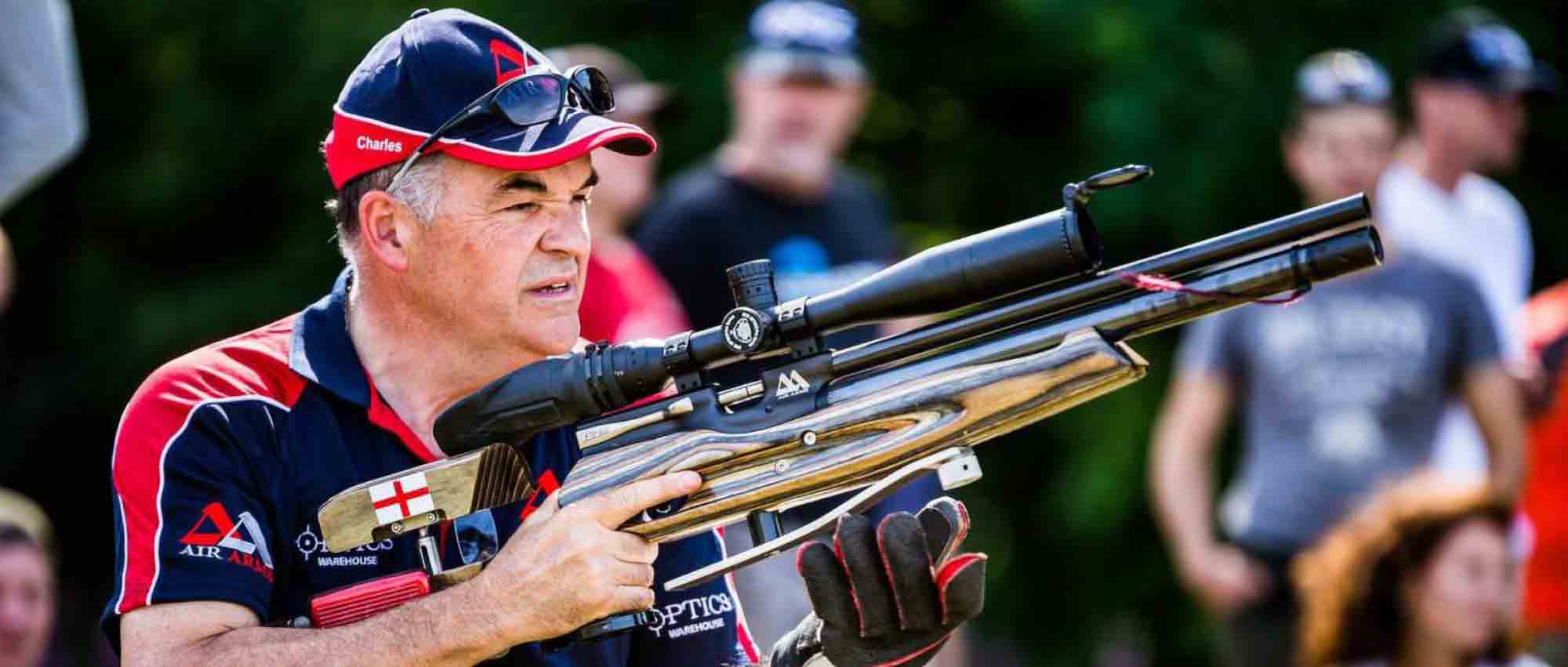
What is HFT (Hunter Field Target)?
Hunter Field Target, usually shortened to HFT, is designed to simulate real-world hunting situations in a controlled and safe environment. Shooters move through an outdoor course, stopping at various lanes to take shots at metal targets placed at unknown distances.
One of the defining features of HFT is that you cannot adjust your scope during the competition. This means you rely on judgment, consistency, and experience rather than constant fine-tuning. Shooters' scores are determined by their accuracy on each target, with points awarded for successful hits and aggregated to determine winners. In some events, rifles may be supplied by the organisers, making it easier for newcomers who do not have their own equipment. It makes HFT one of the more accessible entry points into airgun competition, as the equipment requirements are relatively modest compared to other disciplines.
Because of its balance between realism and simplicity, HFT is often recommended for those new to air rifle competition shooting.
What is FT (Field Target)?
Field Target, or FT, takes a more technical approach. Like HFT, it is shot outdoors over a course, but the key difference lies in precision and equipment use. In FT competitions, shooters are allowed to adjust their scopes to calculate exact distances to targets.
This makes FT more equipment-driven and often more demanding. Competitors typically use highly specialised air rifles, advanced optics, and carefully tuned setups to achieve maximum accuracy. Pre-charged pneumatic rifles used in FT require regular fill with compressed air to maintain consistent performance, and field target shooting as a discipline rewards competitors who can manage both their equipment and technique effectively. To achieve the best results, competitors must maintain a stable shoulder position for support and exercise precise trigger control, as both are crucial for accuracy in air gun competition.
For an experienced air rifle shooter who enjoys technical detail and precision shooting, FT can be incredibly rewarding. However, it can feel more complex for beginners due to the level of setup and skill involved.
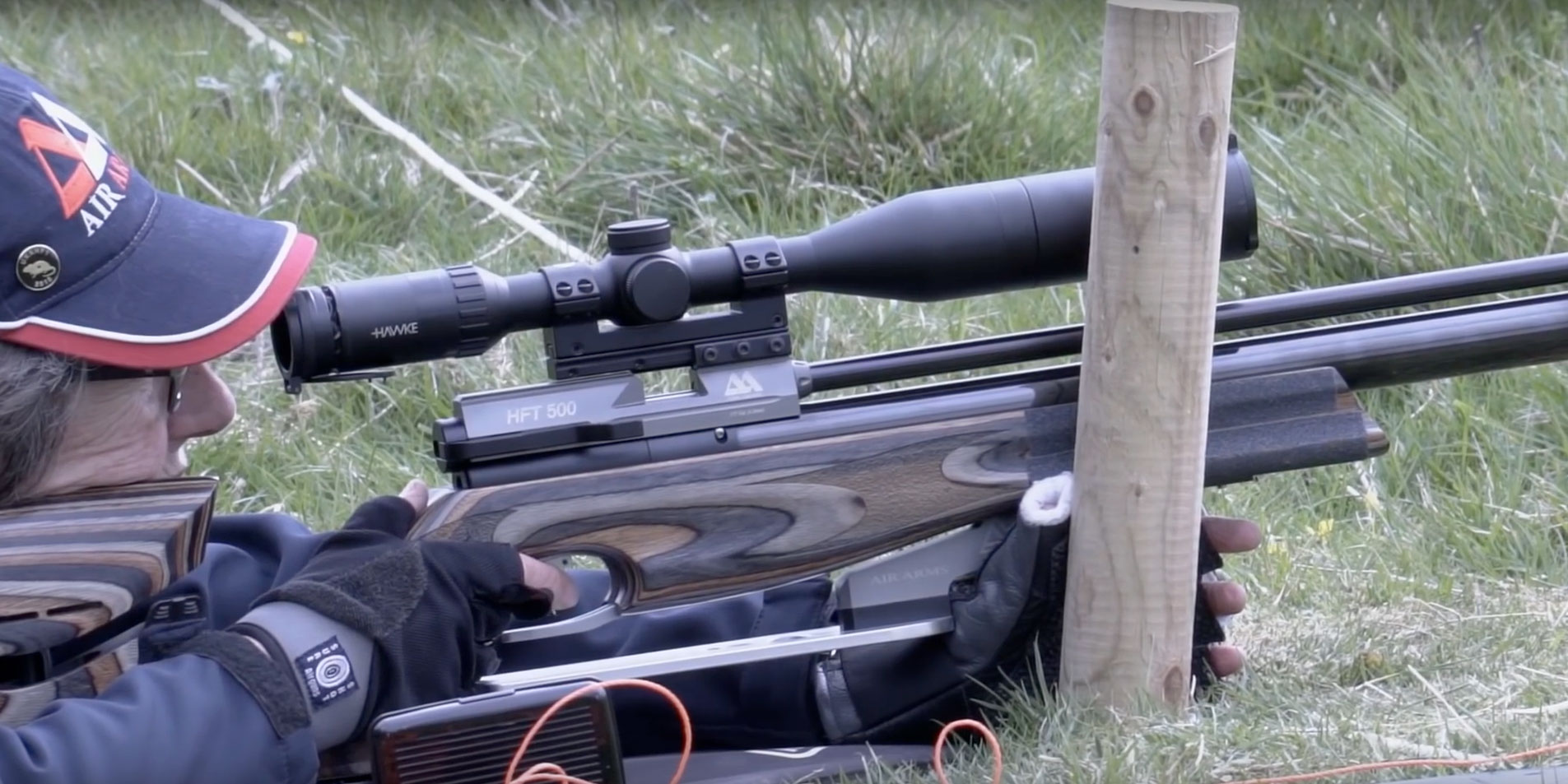
What is Benchrest Shooting?
Benchrest is very different from both HFT and FT. Instead of moving through a course, shooters remain seated at a fixed bench, resting the rifle on a stable surface to improve precision and reduce fatigue, and fire at paper targets over a set distance.
The focus here is pure accuracy. Every variable is controlled as much as possible, including shooting position, rifle support, and environmental factors. Shots are fired at paper targets, emphasising the importance of accuracy. Unlike HFT or FT, there is no simulation of field conditions — it’s all about consistency and precision.
Because of this, Benchrest is often seen as the most technical form of air rifle competition. It appeals to shooters who enjoy refining their setup and chasing the smallest possible groupings on a target, making it an ideal arena for applying beginner air rifle accuracy techniques in a controlled setting.
Key Differences Between HFT, FT and Benchrest
While all three are forms of airgun competition, the experience they offer is quite different.
HFT is often considered the most approachable. It requires less equipment adjustment and focuses more on practical shooting skills. FT sits in the middle but leans heavily toward technical precision, with more reliance on equipment and calibration. Benchrest, on the other hand, removes movement and environmental unpredictability entirely, focusing purely on accuracy from a fixed position.
Your choice depends largely on what you enjoy — whether that’s outdoor movement, technical setup, or controlled precision shooting.
Scoring and Rules
Scoring in air rifle and air pistol target shooting is all about precision and consistency. Competitors aim to achieve the highest score by hitting the centre of the target, with points decreasing as shots land further from the bullseye. In most competitions, shooters fire a set number of rounds at targets placed at various distances, and the best score is determined by the total points accumulated across all rounds. The rules for each discipline—whether using pre-charged pneumatic air rifles or other configurations—can vary, specifying details like the type of rifle, ammunition, maximum pressure, and the distance to the targets. Local clubs and affiliated clubs across the UK organise these competitions, ensuring that all participants follow the established guidelines for safety and fairness. This structure allows shooters to test their skills, compete for the highest score, and enjoy the challenge of target shooting in a supportive environment.
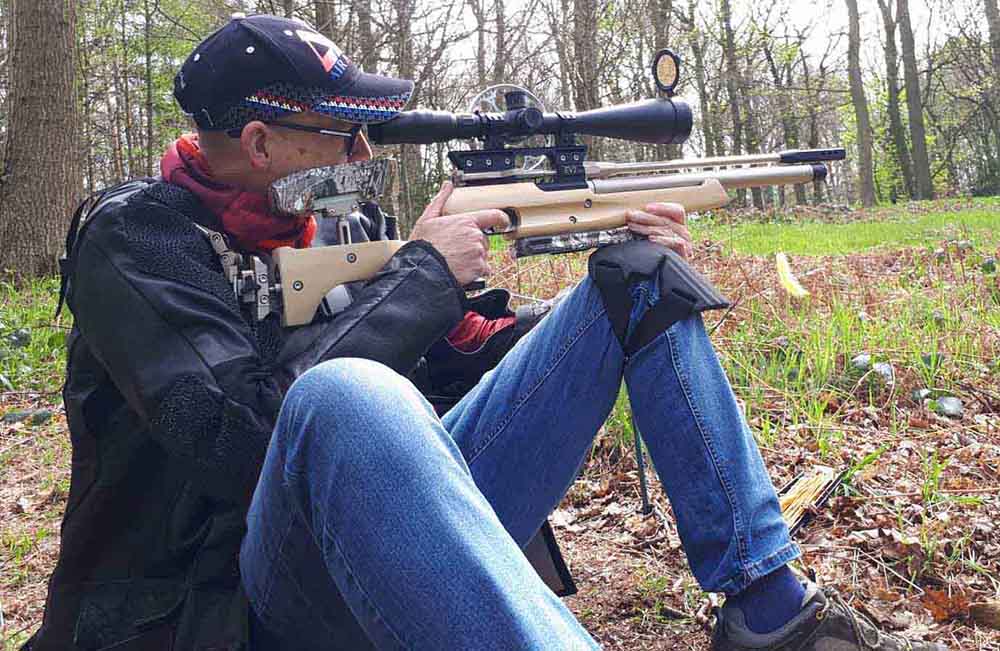
Which Air Rifle Competition is Best for Beginners?
For most people starting out in airgun competition, HFT is the easiest way in. The rules are simpler, the equipment requirements are lower, and it offers a good balance between challenge and accessibility. Many events also feature junior categories, allowing younger shooters to participate alongside adults.
That said, some beginners are drawn to Benchrest because of its controlled nature. If you prefer a more relaxed environment where you can focus purely on shooting technique, it can be a good alternative starting point.
FT is usually better suited to those who already have some experience or are willing to invest time in learning the technical side of shooting, while those who prefer more realistic hunting-style courses may gravitate toward Hunter Field Target shooting.
Some leagues even allow participants as young as 9 years old to compete if supervised by a parent or guardian.
Equipment Considerations
Each discipline places different demands on your equipment. Air rifles typically come in two main types: pre charged air rifles (PCP) and spring air rifles. PCP air rifles use compressed air stored in an onboard reservoir, allowing for multiple shots without needing to be re-cocked after each shot, and are filled using a hand pump or diving bottle. Spring air rifles use a coiled spring and piston mechanism to propel the pellet, requiring the shooter to manually cock the gun for each shot. UK law sets a limit of 12 ft-lbs of power for air rifles and 6 ft-lbs for air pistols, which influences the choice of equipment for air gun competition and determines when a licence is required for a PCP air rifle. Most competitions use .177 (4.5mm) calibre air rifles or pistols for precision target shooting, with .177 and .22 being the most common calibres—.177 is preferred for its higher velocity and lighter weight.
HFT allows for simpler setups, meaning many standard air rifles can be used effectively. FT often requires more specialised rifles and high-quality optics to remain competitive, while Benchrest rewards highly accurate and stable setups.
Manufacturers such as Air Arms are well known among air rifle shooters for producing rifles suited to a range of disciplines, from entry-level competition use through to high-precision shooting. Choosing the right rifle often depends on which type of competition you decide to pursue, as well as whether a manufacturer’s commitment to performance and support matches your long-term goals as a shooter.
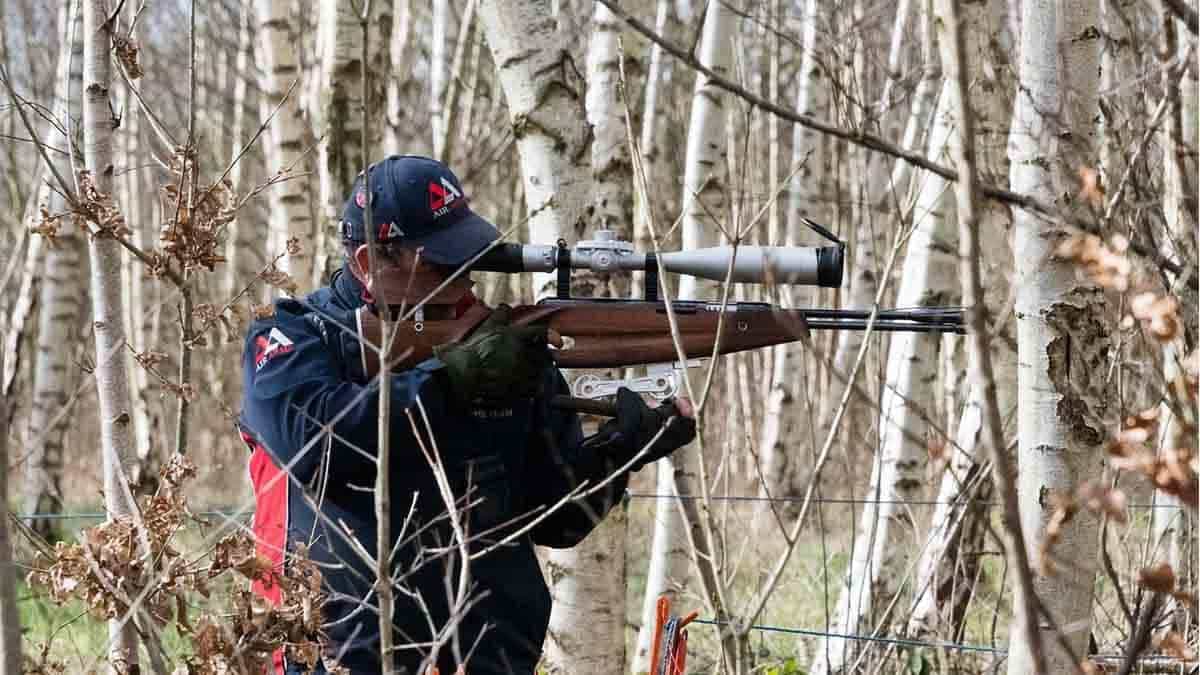
Benefits of Target Shooting
Target shooting, whether with air rifles or pistols, offers a wide range of benefits for participants of all ages, especially when you build solid beginner air rifle shooting fundamentals. Regular air rifle shooting helps develop hand-eye coordination, sharpens focus, and builds mental discipline—skills that are valuable both on and off the range, regardless of whether you prefer PCP or spring-powered air rifles. The sport encourages competitors to remain calm under pressure, improving accuracy and concentration with every shot. Beyond the technical aspects, target shooting is a fun and engaging way to meet new people and become part of a vibrant community. Local clubs throughout the UK provide opportunities to join leagues, participate in events, and challenge yourself alongside others who share your passion. Whether you’re aiming for your best score or simply enjoying the sport, target shooting is a rewarding and inclusive activity.
Getting Started in Airgun Competition
If you’re unsure which discipline to try, the best approach is to visit a local club and see each format in action. Many clubs across the UK offer opportunities to watch or even try HFT, FT, and Benchrest shooting before committing. Club members can sign up for leagues and events, with dates and details often posted on the club's website.
Speaking to experienced air rifle shooters can also help you understand what each discipline involves in practice, beyond just the rules. If you are interested in joining or want more information, you can contact the club directly through their website to arrange a visit or ask questions. In many cases, your preference will come down to which style of shooting you find most enjoyable.
FAQ
What is the most popular airgun competition in the UK?
HFT is widely considered one of the most popular due to its accessibility and realistic shooting format.
Is FT harder than HFT?
FT is generally more technical and requires more equipment knowledge, which can make it more challenging for beginners.
What is Benchrest shooting in air rifles?
Benchrest is a precision-based air rifle competition where shooters fire from a fixed seated position at paper targets.
Which air rifle is best for competition?
It depends on the discipline, but many air rifle shooters choose reliable and accurate rifles suited to their specific competition type.
Can beginners enter air rifle competitions?
Yes, many clubs welcome beginners, especially in HFT and some Benchrest events.
Conclusion
In summary, air rifle shooting and target shooting are dynamic sports that offer excitement, challenge, and personal growth. With disciplines ranging from standing and prone to benchrest, there’s a style to suit every competitor, whether you prefer the technical precision of pre charged pneumatic rifles or the classic feel of spring-powered guns. The sport not only improves hand-eye coordination and focus but also provides a fun way to test your skills and achieve the highest score. Supported by local clubs and national organizations, target shooting welcomes newcomers and seasoned shooters alike, making it easy to get involved and enjoy the thrill of competition. If you’re looking for a new challenge or a rewarding hobby, consider joining a local club and experiencing the world of air rifle shooting for yourself.