



What Is an Air Rifle Chronograph? A Practical Guide
Most recreational shooters focus on pellets, scopes, and technique - and rightly so. But there is one tool that quietly does some of the most important work in the background: the chronograph. If you have ever wondered what is an air rifle chronograph and whether you actually need one, this guide answers that clearly, without the jargon.
Whether you shoot in your garden with a TX200 or at your local club with an S510 Tactical, a chronograph tells you things your eye and your gut simply cannot - and that information matters more than most shooters realise.
What Is a Chronograph and What Does It Actually Do for Air Rifles?
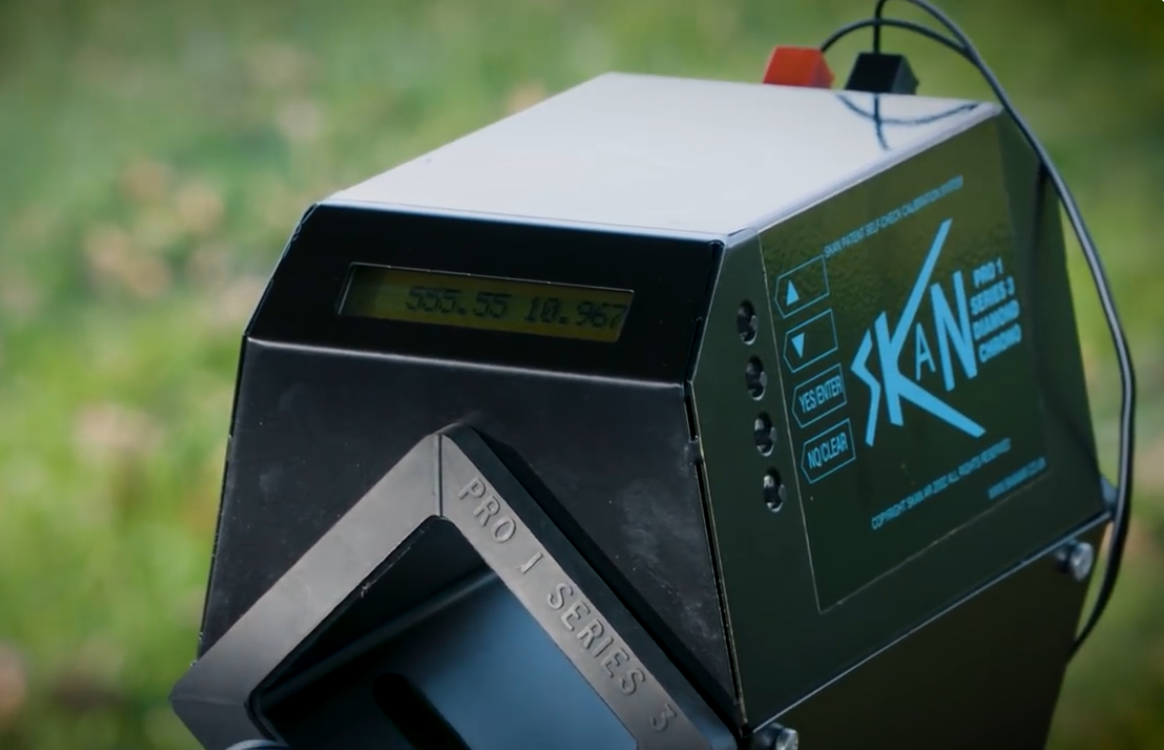
A chronograph is a measuring device that calculates the speed of a pellet as it travels through or across the unit's sensors. When you fire, the pellet passes over two sensor points - usually light-based detectors - and the device measures the tiny gap in time between them. From that time gap and the known distance between the sensors, it works out how fast the pellet was travelling.
That speed is expressed in feet per second (FPS) - and it is the single most useful number your rifle can give you. Everything else a chronograph tells you flows from that one measurement.
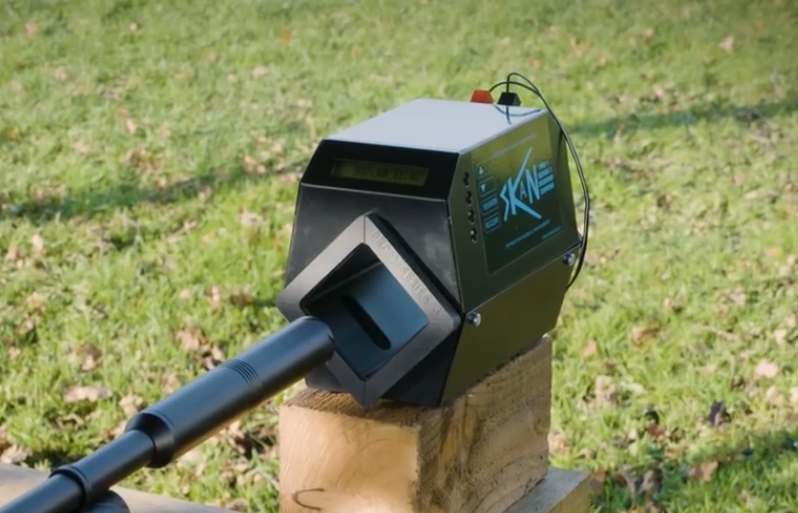
In practical terms, using a chronograph is straightforward. You set it up in front of your muzzle - usually a metre or so downrange - fire a string of shots through it, and read the results. Most modern units display the speed of each shot, then automatically calculate averages and consistency figures across your string. Those readings can also help you find the pellet that suits a particular barrel best. There is no specialist knowledge required to operate one.
What is a chronograph?
A chronograph is a device that measures the velocity of a pellet in feet per second (FPS) as it passes through the unit's sensors. From that velocity and the weight of the pellet, it can also calculate the muzzle energy of your shot - the key figure for UK legal compliance.
Think of it as a health monitor for your rifle. Just as a blood pressure cuff tells you what is happening inside something you cannot see directly, a chronograph reveals what your air system, spring, or barrel is actually producing on every shot. It belongs in every shooter's toolkit - not just for a rifle, but for any airgun.
What the Numbers Mean: FPS, Muzzle Energy, and Shot Consistency
The numbers a chronograph produces can look a little unfamiliar at first. Here is what each one means and why it is relevant to you.
Velocity (FPS)
Velocity is the speed of the pellet measured in feet per second. A higher FPS does not automatically mean better performance - the relationship between velocity and pellet weight determines actual power, and some air rifles are tuned for power while others are tuned for best accuracy. A lighter pellet will travel faster but carry less energy; a heavier pellet travels slower but hits harder. FPS on its own is only half the picture. Velocity figures make more sense when read alongside the pellet used and the rifle’s intended setup.
Muzzle Energy (ft/lb)
Muzzle energy is measured in foot-pounds (ft/lb) and is calculated from the velocity and the weight of the pellet. This is the figure that matters most when monitoring the power of an air rifle, because UK firearms law uses muzzle energy when determining the certification threshold for air rifles. Most chronographs will perform this calculation automatically if you enter the pellet weight before you start your string.
Shot Consistency and Shot Count: ES and SD
After recording a string of shots, a chronograph will typically show two consistency figures: Extreme Spread (ES) and Standard Deviation (SD). ES is simply the gap between your fastest and slowest shot in the string. SD is a statistical measure of how much each shot varies from the average. Lower ES and SD indicate less variation in velocity across the string. Consistent velocity can help make a rifle's trajectory more predictable, although velocity consistency is only one factor influencing accuracy.
Why consistency matters as much as speed
A rifle producing a wide spread of velocities will send pellets to different points of impact - even when your technique is perfect. Tight ES and SD figures are a sign of a healthy, well-regulated rifle. Tight ES and SD figures indicate relatively consistent velocity across the shot string. Larger variations can be a reason to investigate pellet choice, shooting conditions or the rifle's condition if they represent a significant change from its normal baseline.
Spring-powered rifles like the TX200 and regulated PCPs like the S510 Tactical can produce different velocity profiles. The S510 Tactical's regulated air delivery is designed to provide consistent pressure and velocity across its usable shot cycle, while a chronograph allows you to measure the actual results from your individual rifle. The S510 Tactical, as a regulated PCP, should produce very tight ES and SD figures across shot strings - that regulated air delivery is designed specifically to keep each shot as close to the last as possible. A chronograph makes these differences visible and measurable.
How a Chronograph Helps You Stay Within the UK 12 ft/lb Legal Limit
UK law sets a clear legal limit for air rifles: in England and Wales, that's 12 ft/lb of muzzle energy without a firearms certificate. Exceeding that limit means your rifle crosses into a different legal category entirely, requiring an FAC - regardless of whether you intended it or knew it was happening. Scotland and Northern Ireland apply their own certificate requirements, which are covered below.the
This is where a chronograph becomes a genuinely practical tool rather than just an enthusiast accessory. Components can wear or change over time, and factors such as seals, springs, regulators and air-system condition can affect a rifle's performance. Seals wear, springs settle, air systems lose efficiency - and these changes can affect power output in either direction. A rifle that was correctly set up when it left the factory may produce different figures after extended use, after service work, or after being stored for a period.
Know your rifle's legal standing
The 12 ft/lb threshold applies to firearm certification in England and Wales. Scotland has a separate Air Weapon Certificate regime covering air weapons over 1 joule, subject to exemptions, while Northern Ireland has its own firearms licensing requirements, with airguns over 1 joule requiring certification. A sub-12 ft/lb reading therefore does not by itself mean an air rifle can be possessed without certification throughout the UK. Checking your muzzle energy with a chronograph is still the only reliable way to confirm where your rifle sits.
Using a chronograph to confirm your ft/lb output is good practice - not a legal burden. Think of it the same way you think about checking your car's tyre pressure. It is not a complex or time-consuming process, and it gives you genuine peace of mind. If your rifle is within limits, you have confirmation. If it is reading above where it should be, you have caught it early enough to address it before it becomes a real problem.
For recreational shooters at a club, there is an additional consideration: many club ranges require or encourage members to confirm their rifle is within legal power limits. Arriving with a documented chronograph reading shows responsible ownership and makes it easy to satisfy any range requirements without delay.
Types of Chronographs and What to Look for When Buying One
The instinctive assumption is that choosing a chronograph requires specialist knowledge. It does not. The market is broadly split into two categories, and understanding the difference makes the choice straightforward.
Optical Chronographs
Optical chronographs are the traditional design and the most widely available. The pellet passes over two light-sensitive sky screens, and the unit calculates velocity from the time between them. They are reliable, generally affordable, and well-suited to outdoor club use. The main practical limitation is lighting - some optical units struggle in low light or direct sunlight, which can affect readings.
Muzzle-Mounted and Infrared Chronographs
Newer designs mount directly to the muzzle or use infrared sensors rather than optical sky screens. These are more compact, less dependent on ambient lighting, and easier to use in indoor ranges or garden settings. For owners of PCP air rifles and other modern airgun platforms, that compact, convenient form factor often means the chronograph is used more regularly in practice. They tend to be slightly more expensive, but the convenience for regular use often justifies the cost.
When choosing a chronograph for recreational use, these are the practical features worth looking for:
- Automatic muzzle energy calculation - saves you doing the ft/lb conversion manually
- ES and SD display - so you can assess consistency without extra steps
- Shot string memory - useful for reviewing a full string rather than individual shots
- Clear, readable display - particularly if you are using it outdoors
- Robust build quality - it will get knocked around in a kit bag
- Compatibility with your shooting environment - indoor range or outdoor club use will influence whether optical or infrared suits you better
You do not need to spend a significant amount to get a reliable unit. There are practical, accurate chronographs available at a range of price points that will serve a recreational shooter well for years.
Using a Chronograph to Monitor Shot Strings as Part of Your Regular Rifle Maintenance Routine
A chronograph is most useful when it is used regularly - not just once when a rifle is new. The reason is simple: performance drift is usually gradual, and gradual changes are easy to miss without a reference point to compare against.
Consider what can change in a rifle over time. In a spring-powered rifle like the TX200, the spring settles with use and the piston seal wears slowly. In a PCP like the S510 Tactical, seals degrade, the regulator can shift its output pressure, and the air cylinder itself is subject to gradual wear. Questions such as whether you can leave a PCP charged, how you store it, and how often you top up all have an impact on that long-term behaviour, so it pays to understand safe PCP charging and storage practices. Some PCPs are also built for user adjustments, with rifles such as the Avenger able to be set for low or high velocity. None of these changes announce themselves loudly - they simply result in your rifle performing slightly differently than it did before.
Performance drift: the quiet problem a chronograph catches early
A meaningful change in average FPS across a string - or a sudden widening of ES figures - can be an early indication that something has changed. Possible causes include pellet choice, environmental conditions, changes in fill pressure or the condition of components such as seals, springs or regulators. Catching it early means a simple service rather than a more involved repair.
Building a brief chronograph check into your regular rifle maintenance means you have a running picture of how your rifle is performing over time. When something changes, you will see it in the data before you feel it in your shooting.
A practical routine for most recreational shooters looks like this, and it sits neatly alongside basic air rifle maintenance checks after every session:
A Simple Chronograph Maintenance Routine
Establish a baseline
When your rifle is new or freshly serviced, record a full string of shots through a chronograph. Note the average FPS, ES, and SD.
Check periodically
Repeat the same test every few hundred shots or at the start of each shooting season. Use the same pellets each time so your data is comparable. A consistent shot string gives you a useful picture of your rifle's current velocity performance.
Compare against your baseline
Look at whether your average FPS has changed, and whether your ES and SD figures have widened. A stable picture means your rifle is healthy. A noticeable shift in either direction is a prompt to investigate, starting with the fundamentals of what an air rifle is and how its main components work together.
Act on what you find
If your readings have drifted, take your rifle to an authorised dealer or service centre before the issue develops further. Air Arms rifles carry a 3-year warranty on new models, and the authorised dealer network provides dedicated aftersales support, servicing, and repairs - catching a small problem early keeps it small.
This kind of routine takes very little time and costs almost nothing beyond the initial investment in the chronograph itself. But it gives you something genuinely valuable: confidence that your rifle is performing the way it should, safely within the UK legal limit, shot after shot, and providing a solid platform to work on improving your air rifle shooting accuracy as a beginner.
Chronograph check - what to record each session
- Date and total shot count on the rifle (if tracked)
- Pellet brand, type, and weight used
- Average FPS across the string
- Extreme Spread (ES) - fastest minus slowest shot
- Standard Deviation (SD) - overall shot-to-shot variation
- Calculated muzzle energy in ft/lb
- Any notable conditions - temperature, fill pressure for PCPs
With over 40 years of British engineering expertise behind rifles like the TX200 and S510 Tactical, Air Arms designs rifles to perform consistently over a long service life. A chronograph is the tool that helps you confirm that promise is being kept - and catch the early signs if anything needs attention, while sound shooting technique from a beginner-friendly air rifle accuracy guide helps you turn that consistency into results on target.