



Air Rifle Maintenance Basics: What to Check After Every Session
Recommended reading: A Guide to UK Air Rifle Accessories
Keeping your air rifle in good condition doesn’t require complicated tools or deep technical knowledge. In fact, a simple routine after each shooting session is often enough to keep your rifle accurate, reliable, and performing at its best.
Neglecting basic maintenance can lead to issues like loss of accuracy, inconsistent power, or unnecessary wear on internal components. Following the correct process is essential—doing things wrong can result in malfunctions, damage, or even unsafe conditions. The good news is that most of these problems are preventable with a few quick checks and good habits.
This guide covers the essential air rifle maintenance steps every shooter should follow after each session — whether you’re shooting in the garden, at the range, or out in the field. Competition shooters, in particular, rely on high-standard maintenance routines to ensure accuracy and consistency.
Why Regular Air Rifle Maintenance Matters
Air rifles are precision tools. Even small amounts of dirt, moisture, or movement in your setup can affect performance over time. Regular maintenance helps your air rifle last for many years by preventing issues that can shorten its lifespan.
Regular maintenance helps to:
- Maintain consistent accuracy
- Prevent rust and corrosion
- Extend the lifespan of seals and moving parts
- Catch small issues before they become costly problems
- Reduce general wear on both wood and metal parts
Unlike firearms, air rifles don’t require heavy cleaning after every use — but they do benefit from consistent care and inspection. Seeking advice from professionals can also help maintain optimal performance and address any specific maintenance concerns.
1. Wipe Down the Rifle (Especially Metal Parts)
After every session, your rifle will have been exposed to:
- Moisture in the air
- Sweat from your hands
- Dust and debris
- Rain or other sources of moisture
Over time, this can lead to rust, particularly on blued steel surfaces. Simply wiping down all external metal surfaces with a soft, dry cloth after each use—especially after exposure to rain or moisture—is essential to prevent rust and maintain the finish.
What to Do
Use a soft cloth to wipe down:
- The barrel exterior
- Scope mounts
- Trigger guard and action
For added protection, you can apply a very light coat of gun oil to metal parts — but avoid over-oiling.
2. Check Stock Screws and Mounts
Loose screws are one of the most common causes of accuracy issues.
Recoil — especially from spring-piston rifles — can gradually loosen:
- Stock screws
- Scope mounts
- Rail fittings
What to Do
- Check that all screws are snug (not overtightened)
- Pay particular attention to stock screws and scope mounts
- Use the correct screwdriver or hex key to avoid damage
Even slight movement can shift your zero and affect grouping.
3. Inspect Your Scope and Zero
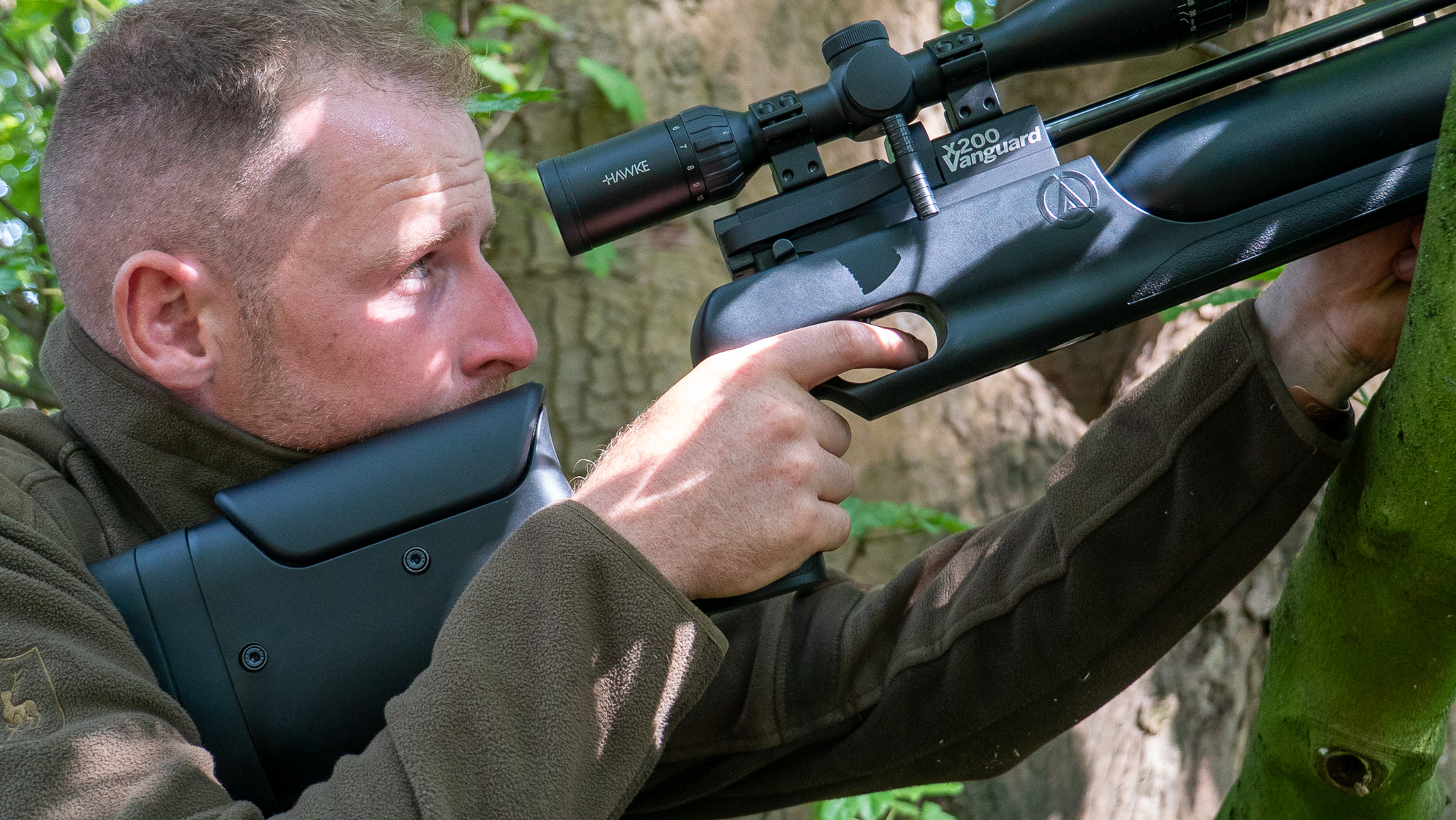
Your scope is critical for accuracy, so it’s worth a quick check after shooting. If you notice any smudges or dirt on the lenses, use a gentle spray designed for optics to clean them, then simply wipe with a soft cloth. Check that the scope is still securely mounted and that the zero hasn’t shifted. If you see any fogging or moisture inside the scope, it may indicate a seal problem that needs professional attention.
What to Look For
- Has anything shifted or loosened?
- Are the mounts still secure?
- Does the reticle appear level?
If you suspect a change:
- Fire a quick test group next session
- Confirm your zero hasn’t moved
Catching this early saves frustration later.
4. Check the Barrel (But Don’t Overclean It)
To learn more, read here: Air Rifle Barrel Cleaner: How Often Should You Use It?
A common mistake is cleaning the barrel too often.
Airgun barrels accumulate lead residue and dust from firing pellets, but unlike firearms, they do not suffer from carbon buildup. Air rifles, particularly pellet rifles, often perform better with a slightly “seasoned” barrel. Over-cleaning can damage the rifling and reduce accuracy while the barrel 're-leads'. Airgun barrels do not require frequent cleaning; it is generally recommended to clean them after finishing a tin of pellets (about every 500–1,000 shots), either by firing one cleaning pellet through or using a cleaning rod. If the barrel appears dirty or you notice a drop in accuracy, use a pull-through kit with flannel patches or cotton pellets instead of steel cleaning rods to avoid scratching the barrel. Avoid using oil inside the barrel, as it can cause dieseling, damage seals, and result in loss of air pressure.
After Each Session
- Visually check for obstructions
- Ensure no debris has entered the barrel
When to Clean
Only clean the barrel if:
- Accuracy noticeably drops
- You’ve changed pellet type
- The rifle has been stored for a long time
When you do clean it, use: (Read our guide)
- A pull-through kit or cleaning line
- Airgun-specific cleaning products
Avoid firearm cleaning rods unless they are suitable for air rifles.
5. Check Seals and Air Leaks (PCP & CO₂ Rifles)
If you’re using a PCP or CO₂ air rifle, seals are critical to performance. O-rings play a vital role in preventing leaks and should be inspected regularly for wear or damage. Using the best fittings and connectors helps ensure a secure seal, prevents leaks, and allows for easy switching between probes or accessories, reducing maintenance issues and costly repairs.
What to Watch For:
Leaks are most often found at the fill probe, cylinder, or valve. Filling should be done frequently but always follow the manufacturer's instructions for maximum fill pressure to avoid damaging the rifle. If you overfill or if there are leaks, pellets can get stuck in the barrel or silencer, leading to jams and reduced performance. Neglecting maintenance needed for filling components, such as keeping connectors and probes clean, can result in leaks and expensive repairs.
Quick Check:
Listen for hissing sounds or check for a drop in pressure after filling. Regular servicing is needed to maintain optimal performance—every two years for infrequent users, and annually for those who shoot more often. Also, PCP rifles should not be stored completely empty; leave around 50–60 bar of pressure in the reservoir to keep seals engaged and prevent them from drying out.
What to Watch For
- Hissing sounds after shooting
- Loss of pressure
- Inconsistent shot power
Quick Check
- Listen closely after firing
- Monitor your pressure gauge (PCP rifles)
If something feels off, it’s better to investigate early rather than risk damaging internal components.
6. Safely Store Your Rifle
Learn more about storing your rifle
How you store your rifle matters just as much as how you use it. Before performing any air rifle maintenance, always ensure the weapon is unloaded and the safety is engaged. For thorough cleaning or internal inspection, you may need to remove the casing to access and maintain the internal components, which helps prevent rust and seizing.
Best Practices
- Store your air rifle in a cool, dry place to prevent moisture buildup and rust.
- Avoid long-term storage of air rifles in zippered cases, as these can trap moisture and cause rust.
- Always store the weapon unloaded and with the safety engaged to prevent accidents and maintain its condition.
- Use a gun safe or a locked cabinet for added security.
- If you use a gun sock or soft case, make sure it is dry and clean before storing your rifle inside.
Best Practices
- Store in a dry, temperature-stable environment
- Use a gun slip or case to prevent dust buildup
- Avoid leaving the rifle in damp areas (like garages or sheds)
For spring rifles:
- Store uncocked
For PCP rifles:
- Store with some air pressure remaining (not empty)
Proper storage helps prevent corrosion and keeps seals in good condition.
7. Check Your Pellets and Accessories
It’s easy to overlook your ammunition, but pellet condition matters.
After a Session
- Ensure pellets are stored in a dry place
- Check for damaged or deformed pellets
- Keep tins sealed to avoid moisture
Consistent pellets = consistent accuracy.
8. Keep a Simple Maintenance Routine
You don’t need a long checklist — just a consistent one.
Quick Post-Session Routine
- Wipe down metal parts
- Check screws and mounts
- Inspect scope stability
- Ensure safe storage
This takes 5–10 minutes but can prevent most common issues.
Common Maintenance Mistakes to Avoid
Overcleaning the Barrel
Too much cleaning can reduce accuracy rather than improve it.
Using Too Much Oil
Excess oil can:
- Attract dirt
- Damage seals
- Cause dieseling in spring rifles
Ignoring Loose Screws
Even minor looseness can throw off your accuracy significantly.
Storing in Damp Conditions
Moisture is one of the biggest enemies of any air rifle.
When More In-Depth Maintenance Is Needed
While basic checks should happen after every session, deeper maintenance is only occasionally required. However, regular service and professional checkups are essential for the internal mechanism and trigger mechanism to ensure optimal performance and longevity. Examples of when you might need more in-depth air rifle maintenance include: replacing worn seals, cleaning the barrel thoroughly, or addressing issues with the trigger mechanism—maintenance of which is often best left to professionals to avoid damaging the cocking mechanism.
If you choose to maintain the trigger mechanism yourself, carefully remove the casing to access the internal mechanism. Use a degreaser spray to clean away old grease or oil buildup, then re-oil the appropriate areas with a tiny amount of specialized grease. For rough or noisy triggers, a tiny drop of lithium grease can be applied to the sear engagement surface to improve performance. Always use only a tiny amount of lubricant to avoid attracting dust or causing malfunctions.
Regular servicing of air rifles is recommended—annually for frequent shooters and every two years for infrequent users—to catch potential issues early and keep the mechanism functioning smoothly.
Examples Include
- Full barrel cleaning
- Seal replacement
- Spring servicing (spring rifles)
- Regulator maintenance (PCP rifles)
If you’re unsure, it’s often best to consult a professional or experienced airgun technician.
Final Thoughts
Air rifle maintenance doesn’t need to be complicated — it just needs to be consistent. Proper maintenance helps your rifle last for many years and maintain a high rate of performance.
A simple routine after each shooting session will:
- Protect your rifle
- Maintain accuracy
- Prevent avoidable problems
Air rifles often feature beautiful woodwork, crafted from various types of wood such as beech or walnut, which requires regular care to prevent general wear and tear. To maintain the woodwork, always wipe it dry after exposure to water to prevent rot and damage. Periodically apply oils like walnut or linseed oil to wood stocks to preserve their protection and appearance. Applying a stick finish or varnish can provide a high quality sheen finish, enhancing the look of the wood and protecting it from mild impacts and tear. This not only keeps the rifle looking its best but also extends the durability of the wood components.
Proper maintenance of the internal mechanisms is also crucial to prevent rust and seizing, especially if moisture seeps into the stock.
Most importantly, it ensures your rifle performs exactly as expected every time you pick it up.
Build these checks into your routine, and you’ll spend less time troubleshooting issues — and more time enjoying your shooting.