



Buying a Used PCP Air Rifle: What to Check First
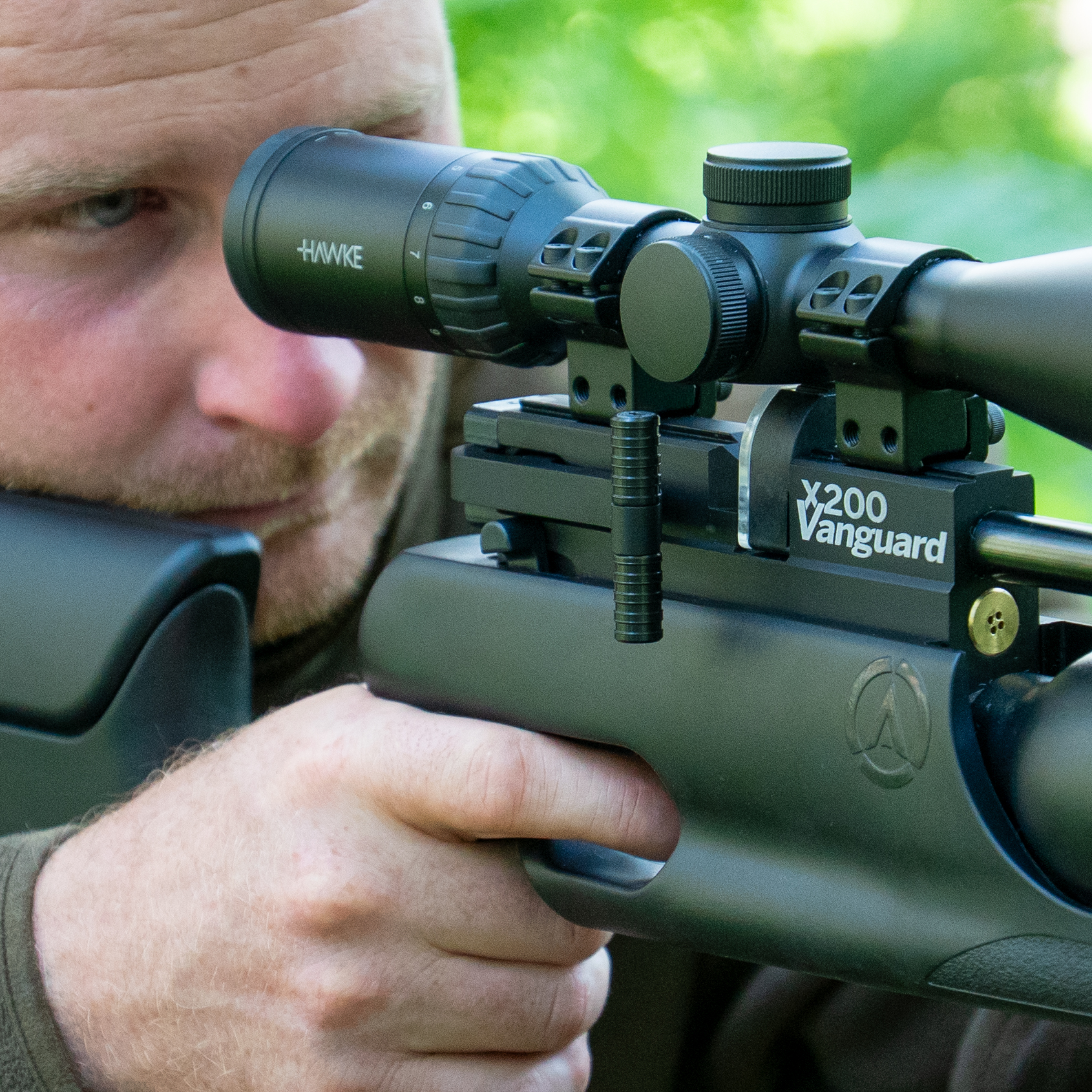
A used PCP air rifle can represent genuine value—or a costly mistake. The difference usually comes down to how thoroughly the rifle was inspected before money changed hands, as well as the reputation of the manufacturers involved. Choosing a reliable air rifle from a trusted brand is essential for safety, satisfaction, and suitability for activities like hunting, target shooting, or beginner use. For a recreational shooter stepping up to a second-hand regulated PCP, the stakes are real: these are precision pneumatic systems, and a rifle that has seen hard use without proper servicing will underperform and potentially develop expensive problems.
Buying pre owned airguns from reputable manufacturers can help you find the perfect air rifle for your needs, whether you’re looking for a dependable hunting companion or a starter rifle for target practice. This guide gives you a structured framework for assessing any used PCP air rifle before you commit—with specific reference to what good maintenance looks like on Air Arms rifles, which are built and supported in the UK with over 40 years of engineering expertise behind them. A thorough inspection ensures you can buy with confidence in your purchase.
Why Buying Second-Hand Air Rifles Can Make Sense - and When It Doesn't
The second-hand PCP market in the UK is active and legitimate. Many rifles change hands in good condition because their owners have upgraded, changed discipline, or simply moved on. A well-maintained Air Arms rifle — whether an S510 Tactical, an HFT500, or an Ultimate Sporter — is built to last. Air Arms rifles have won multiple Airgun of the Year awards (2019, 2020, 2021, 2023, and 2025), a track record that reflects the engineering quality behind every platform. Alongside Air Arms, other reputable brands such as Weihrauch, Diana, BSA, and Daystate are highly sought after in the used market, giving buyers confidence in their purchase. The appeal of second hand airguns lies in the assurance of quality, the opportunity to inspect in-store, and often the availability of warranties from trusted dealers. If a rifle has been properly serviced and stored, buying used can get you into a premium platform at a meaningfully lower entry price.
Buying second hand also allows shooters to access a wider variety of models and brands, including those that may no longer be in production, greatly enhancing their options for selection. The case for used becomes weaker when the rifle has an unknown history, shows signs of DIY modification, or is priced close to new without any supporting service records. At that point, the financial case dissolves - and the risk profile increases.
Where the real value lies
Used PCPs offer the strongest value when the seller can demonstrate recent servicing, the asking price reflects the rifle’s age and use, and the rifle is from a manufacturer with a strong authorised service network in the UK. Reputable manufacturers are especially important, as trusted brands tend to offer more reliable products and better long-term support. Often, the best value comes from a complete package—used PCP air rifles are frequently sold with accessories such as scopes, mounts, charging pumps, or cases, which can be expensive when bought separately. In fact, a used PCP typically sells for around two-thirds of its new price and may include these valuable extras, making the overall package more attractive to buyers. Air Arms’ dedicated aftersales support through their authorised dealer network means a used Air Arms rifle can be assessed and brought up to standard if required.
A used PCP is not the right choice when you need the certainty that comes with a factory-condition rifle, a 3-year warranty, and full traceability. For a shooter who wants to compete at a high level without variables, or who cannot absorb the cost of an early service, buying new is simply the cleaner decision. Know which situation you are in before you start viewing rifles.
Mechanical Checks: What to Inspect on an Air Rifle Before You Part With Any Money
When assessing a second hand PCP air rifle in person, you are essentially doing a pre-purchase service inspection with limited tools, aiming to ensure the air rifle is reliable for your intended use. A thorough inspection is the right tool for making an informed decision. Understanding what a PCP air rifle is and how it operates will help you interpret what you see during inspection. The areas that matter most are the seals, the regulator, and the air cylinder. Each tells a different part of the story.
Seals and Pressure Retention
PCP seals degrade over time. High shot counts accelerate this, and poor storage - particularly leaving the cylinder fully empty or storing in damp conditions - speeds the process further. A seal on the way out will show itself in one of two ways: audible air loss around the breech or action, or a rifle that steadily loses pressure in the cylinder when left filled overnight.
Ask the seller to fill the rifle to its recommended pressure before you arrive. If they are reluctant, that is itself a signal. With the rifle filled, listen carefully around the action and breech area. A brief sniff-test at the probe or breech port can detect slow leaks that ears might miss. If you can return the next morning and check the gauge, a pressure drop of any significance indicates a seal issue that will need addressing.
Regulator Function
A regulator is a critical performance component on regulated PCPs like the Air Arms XTi-50 and Ultimate Sporter. Its job is to deliver a consistent pressure to the firing valve regardless of the fill level in the cylinder, producing tight, consistent shot strings. When a regulator is working correctly, velocity variation across a string of shots should be very low.
If you have access to a chronograph - or can ask the seller to run one - fire a string of 10 shots and observe the variation. Significant swings in velocity across the string, or a pattern that climbs sharply and then drops away, suggests the regulator is not holding its set pressure consistently. This can be a sign of regulator wear, contamination, or incorrect set pressure. It is fixable through a service, but factor that cost into your offer.
Inconsistent shot strings are not a minor issue
On a regulated PCP, an inconsistent string almost always points to a mechanical cause - not technique. Do not accept a seller's explanation that the rifle 'just needs a warm-up'. A well-maintained regulator produces consistent results from the first shot.
Air Cylinder Integrity
The cylinder on any PCP stores compressed air at high pressure. Inspect the outside carefully, rotating it fully in your hands. You are looking for corrosion, impact marks, deep scratches, or any surface damage that goes beyond cosmetic wear. Minor surface marks are normal on a used rifle. Significant dents, corrosion pitting, or any evidence of impact to the cylinder body are reasons to walk away - the structural integrity of a high-pressure vessel should never be in question.
Also confirm that the cylinder holds pressure. Fill it to the correct level, note the gauge reading, and check it again after a reasonable interval. Slow pressure loss that cannot be attributed to an audible seal leak around the action may indicate a cylinder valve issue or damaged thread interface.
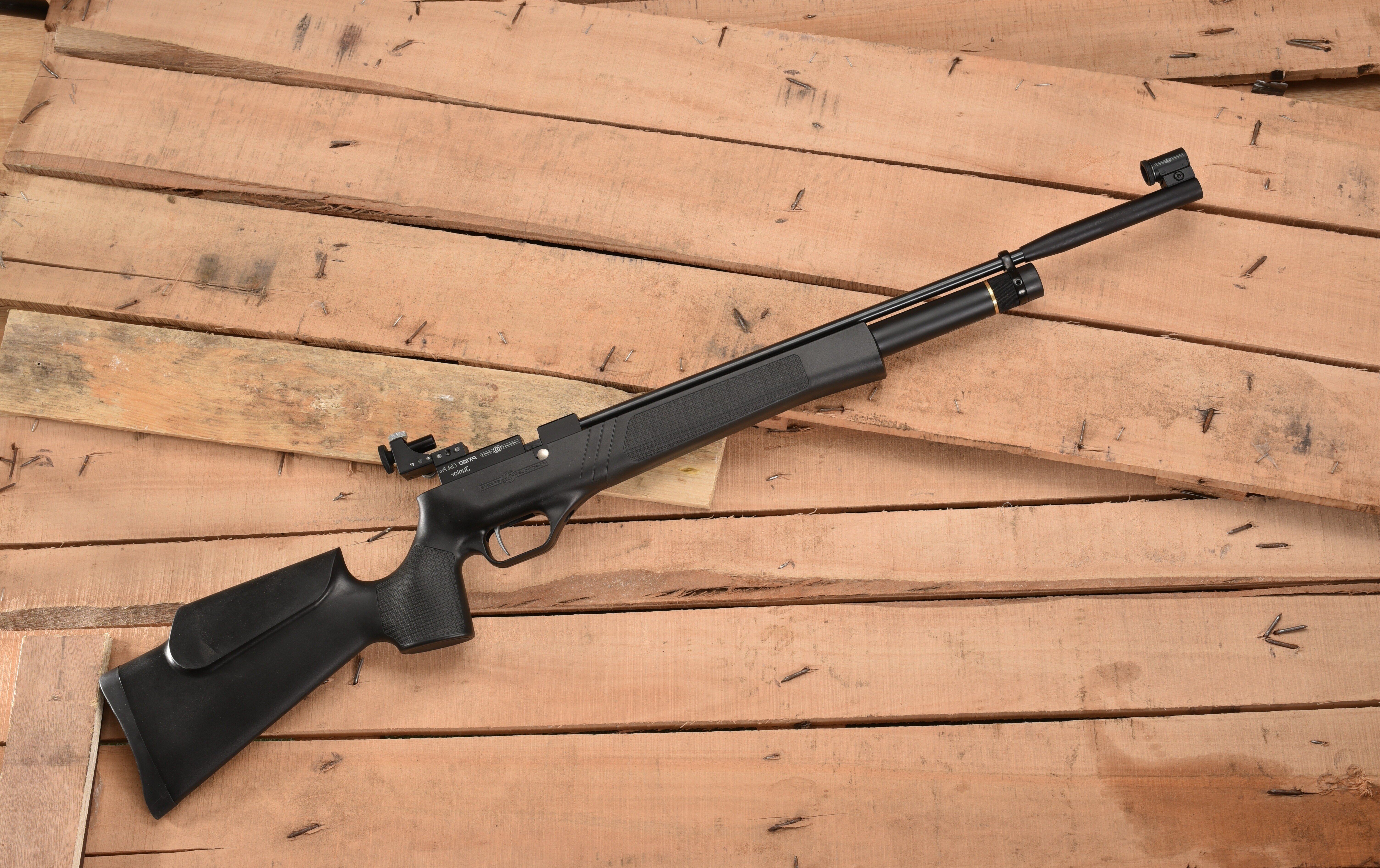
Assessing Shot Count, Service History, and Wear Intervals
Shot count history gives you the most honest picture of where a rifle sits in its service lifecycle. A PCP used for regular pest control or heavy club practice will reach its recommended service interval faster than one used lightly for occasional weekend shooting.
Most quality PCPs, including Air Arms models, have recommended service intervals based on shot count rather than time. Seals, O-rings, and certain valve components have a working life, and exceeding the interval without service is where problems compound. A clear understanding of how air rifles work and which components wear over time will help you judge how close a used rifle is to its next service. A rifle used hard but serviced on schedule is in a significantly better position than one with lower apparent use but no service history.
- Ask for documented service history - a receipt from an authorised Air Arms dealer is the clearest proof
- If no paperwork exists, press for specifics: who did the work, when, and what was replaced
- A seller who can describe their service history in specific, consistent detail is a good indicator of genuine care
- A seller who cannot remember whether the rifle has ever been serviced is a red flag - not a reason to pay asking price
Buying without a service history is a calculable risk
An unknown service history does not automatically make a rifle a bad buy - but it does mean pricing should reflect the likelihood of an early service requirement. Budget for a check-over through an authorised dealer before serious use. Air Arms' authorised dealer network can inspect, service, and confirm the status of any used Air Arms rifle, turning an unknown quantity into a known one.
Barrel, Action, and Stock: What a Physical Inspection Should Tell You
The way a rifle has been used and stored is written into its physical condition. A careful inspection of the barrel, action, stock, and screws takes only minutes but reveals a great deal about how the previous owner treated the rifle. Familiarity with what an air rifle is and its key components will make this inspection more meaningful, especially for newer shooters. Pay particular attention to screw heads for signs of tampering or damage, as these can indicate poor maintenance or unauthorised modifications. When arranging to meet a seller for an in-person inspection, always prioritise your security by choosing a public location and taking sensible precautions to ensure a safe transaction.
Barrel Condition
Barrel condition directly affects accuracy. Check the crown first - this is the muzzle end where the rifling terminates, and it is the most damage-sensitive part of the barrel. Even minor chipping or uneven wear on the crown can disrupt pellet departure and widen groups. Hold the barrel up to a light source and look directly down the bore: the rifling should be clean, sharp-edged, and consistent. Heavy fouling, lead build-up, or visible pitting are all negative indicators. It’s also important to conduct a test fire to assess barrel accuracy and overall performance, ensuring the air rifle delivers consistent results and that all mechanisms are functioning as they should.
Also check the exterior of the barrel for deep scratches, corrosion, or signs that the barrel has been removed and refitted - particularly relevant if modifications are suspected. Air Arms’ match-grade barrels, as used across the HFT500 and Ultimate Sporter ranges, are precision components. They reward proper maintenance and suffer visibly when neglected.
Action and Stock
Work the action slowly and deliberately. It should cycle smoothly, with no grinding, gritty resistance, or catch points. An action that feels rough or stiff can indicate contamination, lack of lubrication, or wear in the bolt or sear components. Check the trigger for any unusual play, creep, or inconsistency in the break - the trigger on a properly maintained Air Arms rifle should be crisp and repeatable.
The stock condition tells you how the rifle has been handled and stored. A laminate stock, like that found on the HFT500, is more resistant to moisture damage than a walnut alternative, but both can show signs of impact, deep gouges, or cracks near the action pillars - the areas that take the most stress. Cosmetic marks are acceptable. Structural damage or cracks through the butt or near the action is a more serious concern.
Check for unauthorised modifications
Look for signs that the stock, trigger group, or action has been opened, adjusted, or modified outside of an authorised service. Evidence includes tamper marks on screw heads, non-original parts, unusual filler or sealant around the action, or aftermarket components fitted without documentation. Modifications made outside an authorised dealer network can void warranty on a new rifle - and are a legitimate concern on a used one too.
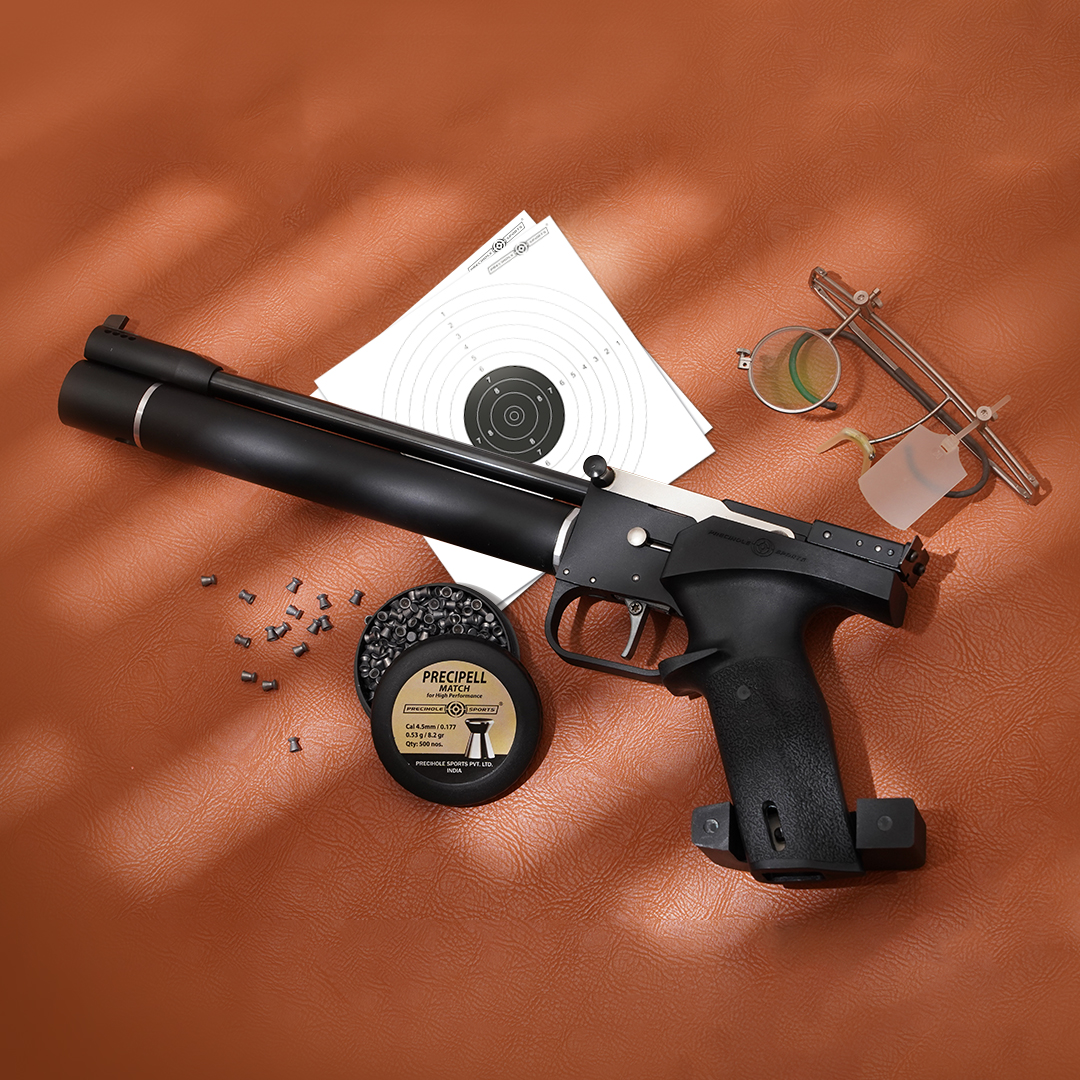
Questions to Ask the Seller Before You Commit
A seller who has genuinely looked after their rifle will have direct, specific answers to these questions. Vague responses, inconsistencies, or reluctance to engage with the detail are signals that something has been overlooked - or withheld.
Key Questions for a Used PCP Seller
Service history
Has the rifle been serviced, and if so, when and by whom? Ask specifically whether any work was carried out by an Air Arms authorised dealer or a qualified gunsmith. A receipt, invoice, or even a detailed recall of the event is meaningful. No recollection at all is a credible warning sign.
Fill pressure and equipment
What fill pressure has the rifle been running at, and what equipment was used to fill it? Over-filling a PCP consistently can stress cylinder seals and valve components. A seller who has always used a quality regulated dive bottle or compressor with accurate gauges has treated the system more carefully than one who cannot answer the question.
Modifications
Have any modifications been made - trigger work, regulator adjustment, or aftermarket parts fitted? Some modifications are harmless or reversible. Others, particularly DIY regulator adjustments or trigger work, can create safety and reliability risks. Any modification should be disclosed. Ask for specifics and evaluate accordingly.
Reason for sale
Why is the rifle being sold? A straightforward answer - upgrading to a different platform, changing discipline, or no longer shooting - is entirely normal. Evasiveness, or a reason that does not quite add up, is worth pressing on. It rarely indicates a serious problem, but it does tell you something about the seller’s openness.
Shot count estimate
Can the seller provide any estimate of total shot count or annual use? Exact figures are rarely available, but a seller who used the rifle for weekly club shooting over three years has accumulated meaningfully more rounds than one who used it occasionally. Use this to calibrate how close the rifle may be to its next service interval.
When considering a used PCP air rifle, buying from a reputable dealer, store, or a member of a local gun club can help verify the rifle's history and provide greater peace of mind. Remember that private sales typically offer no warranty or recourse if the gun breaks shortly after purchase. If you are moving towards higher-powered rifles, make sure you understand how to get an air rifle licence in the UK before committing. When negotiating the price, be respectful but firm—especially if you notice any defects or if the asking price seems too high.
Used vs New: Weighing Value, Warranty, and Long-Term Reliability
The decision between used and new is not purely financial. It is about the kind of ownership experience you want, and what risk you can absorb. Second hand air rifles and pre owned airguns are available from a range of sources, including online marketplaces like Gunstar, local gun shops, and airgun clubs. Online platforms often provide a wide selection, allowing you to filter by type, calibre, range, and location, making it easier to find the right air gun for your needs. Whatever route you choose, ensure you are compliant with the law for air rifles in the UK regarding power levels, age limits, and where you can shoot. A new Air Arms rifle comes with factory-set condition, full traceability, and a 3-year warranty. What it does not come with is the discounted entry price of a used example.
For a shooter newer to PCP ownership, or who wants to focus on developing technique without worrying about mechanical variables, new is often the clearer choice. A factory-fresh rifle leaves as a known quantity and stays that way when maintained properly, giving you confidence and peace of mind.
A used rifle makes strong sense when the specific model you want is no longer in production, when the price difference is substantial enough to justify an early service, or when you are buying from a known seller whose care of the rifle you can verify. In those circumstances, a used Air Arms rifle with a clear history can represent excellent value — you are buying into a premium platform at a lower cost, with the full Air Arms authorised service network and knowledgeable team still available to support it. When buying a used PCP air rifle, always check that the air cylinder holds pressure, the regulator is consistent, and the barrel is in good condition. Use a chronograph to confirm consistent muzzle velocity and ensure the power level is within the UK legal limit of 12ft/lb, and check whether you need a licence for a PCP depending on its power level by reviewing PCP air rifle licensing requirements in the UK, which is essential for legal compliance and safe ownership.
The used vs new decision in practice
Buy used when: the price differential is meaningful, service history is documented, and you can absorb the cost of a check-over if needed. Buy new when: you need the warranty, want factory-confirmed condition, or are making a first-time investment in a PCP platform and cannot yet assess used condition confidently. Buying from reputable sources provides peace and confidence, especially when supported by a knowledgeable team.
The key principle is this: a used PCP air rifle is only worth its asking price if you can verify what you are buying. The inspection steps and seller questions in this guide are not about being difficult - they are about making a well-informed decision. A seller with nothing to hide will welcome the questions. And an Air Arms rifle that passes this kind of scrutiny is almost certainly one worth owning.
Whether you are buying new or assessing a used Air Arms rifle, the Air Arms authorised dealer network is the best place to get expert guidance and a professional assessment of condition. This guide aims to help you find the perfect air rifle—whether for target shooting, hunting, or general use—by understanding the differences between spring, break barrel, and PCP models, and ensuring you meet all legal requirements, including UK air rifle law on power limits, age, and use, for your peace of mind.