



Benchrest vs Standing: Which Builds Skill Faster for Target Shooting?
Introduction
When you first get into air rifle shooting, one of the earliest decisions you will face is how to shoot. Not which rifle to buy or which club to join, but something more fundamental — how do you actually position yourself when taking a shot? Two of the most common starting points are benchrest shooting, where the rifle is supported on a fixed rest, and standing, where the shooter holds the rifle entirely unsupported.
Both have their place in the development of an air rifle shooter, and both teach genuinely valuable skills. But the question of which builds ability faster is one that comes up regularly in clubs and competitions across the UK, and the honest answer is more nuanced than most people expect. The right choice depends on what you are trying to learn, what kind of air gun competition you are working toward, and where you are in your development as a shooter.
What is Benchrest Shooting?
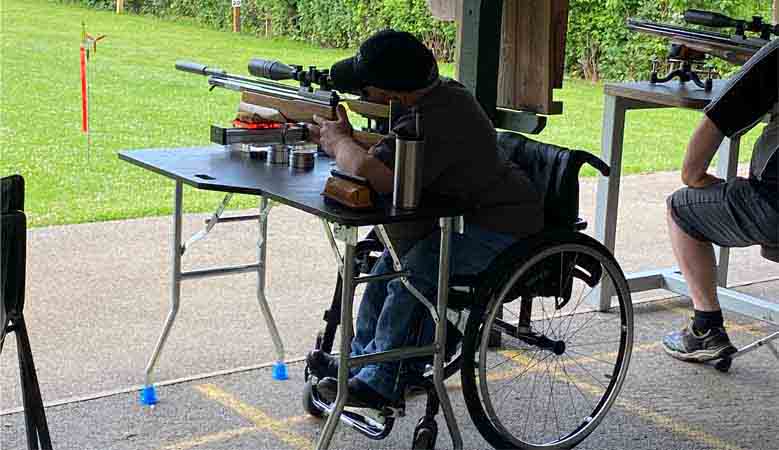
Benchrest shooting involves firing from a seated position with the rifle resting on a mechanical support — typically a purpose-built rest or bag system that holds the rifle steady. The shooter's role is to manage the trigger, control their breathing, and maintain a consistent point of aim, but the physical effort of supporting the rifle is largely removed from the equation.
This makes benchrest an excellent environment for isolating specific variables. Because the rifle is held steady by the rest, any inconsistency in your results is more likely to come from your pellet choice, your trigger technique, or your scope setup rather than your physical hold. For this reason, many experienced air rifle shooters use benchrest as a diagnostic tool — a way of testing equipment or identifying technical issues without the added complexity of positional shooting.
For beginners, benchrest offers a forgiving and accessible entry point into target shooting. Groups tend to be tighter, results are more immediately rewarding, and it is easier to focus on the basics of aiming, breathing control and trigger discipline without simultaneously managing the physical demands of holding a rifle steady.
What is Standing Position Shooting?
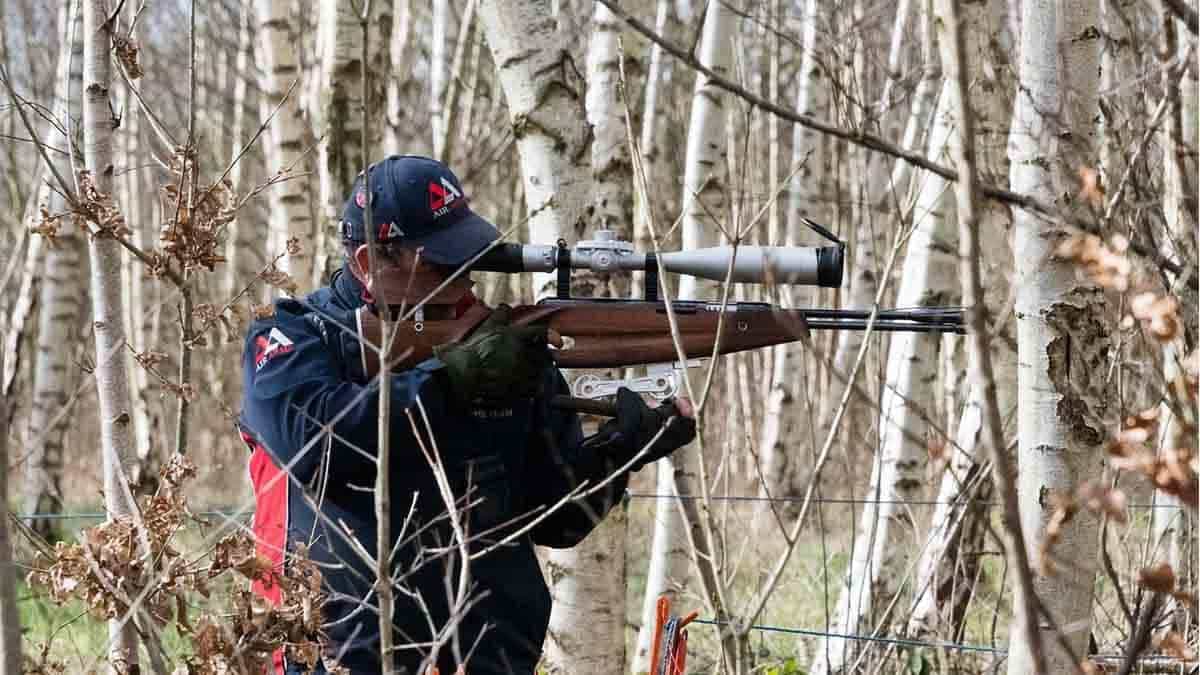
Standing, or the unsupported position, is exactly what it sounds like. The shooter holds the rifle entirely under their own power, with no mechanical aid. It is the most physically demanding of the standard shooting positions and, for most people, the hardest to master, which is why following practical tips for air rifle beginners can make a real difference early on.
In air gun competition, standing is one of the core positions used across a range of disciplines, including 10 metre air rifle events at national and international level. For anyone new to the sport, having a solid grasp of what an air rifle is and how it’s used provides important context for why this position is so central. The challenges it presents are significant — managing the natural movement of the body, controlling breathing, maintaining a consistent hold, and learning to release the trigger at precisely the right moment all have to happen simultaneously, without the stability that a rest provides.
Despite being more difficult, standing is widely regarded as one of the most effective positions for developing a complete air rifle shooter. Because it demands so much, it forces shooters to develop discipline, body awareness, and mental focus in ways that supported shooting simply does not require to the same degree.
What Benchrest Teaches You
Benchrest is particularly effective at teaching the technical side of air rifle shooting. When the physical variables are controlled by the rest, a shooter can direct their full attention toward understanding how their air rifle works, refining their trigger technique, and developing a consistent aiming process.
It is also a great environment for learning to read your results. Tight groups on a target tell you that your setup is consistent. Scattered groups tell you something is off — and because the rifle is supported, you can begin to narrow down what that something might be. This kind of methodical, analytical approach to shooting is a genuinely valuable skill, and benchrest is one of the best places to develop it.
For air rifle shooters who are interested in competing in benchrest-specific events, the discipline also rewards a deep understanding of equipment, ammunition, and environmental conditions such as wind and light — including making smart choices about air rifle targets suited to UK shooting — all of which feed into a broader skill set that transfers well across the sport.
What Standing Teaches You
Standing position shooting builds skills that benchrest cannot replicate. Holding a rifle steady under your own power requires core strength, balance, and a highly developed sense of body awareness. It also demands a level of mental focus and pressure management that supported shooting rarely tests in the same way.
One of the most important things standing teaches is trigger control under real physical conditions. When the rifle is moving — however slightly — timing the trigger release to coincide with your natural point of aim becomes a critical skill. Getting this right consistently, under competition pressure, is one of the things that separates developing air rifle shooters from experienced ones.
Standing also builds what many coaches refer to as a shooter's natural position — the body's instinctive, relaxed alignment toward the target. Developing this takes time and repetition, but once established it becomes the foundation of consistent, accurate shooting across all positions and disciplines.
Which Builds Skill Faster?
The honest answer is that it depends on what kind of skill you are talking about. If the goal is to develop technical knowledge of your equipment and learn to shoot accurately in a controlled environment, benchrest will produce results more quickly. Combining this with a structured beginner’s guide to shooting more accurately makes the feedback loop tighter, the results more immediately readable, and the learning curve less steep.
If the goal is to become a well-rounded, competitive air rifle shooter capable of performing across multiple disciplines, standing will build the deeper skill set faster — even though it feels slower and more frustrating in the early stages. The challenges it presents are the challenges that competition shooting actually demands, and working through them builds a kind of physical and mental discipline that benchrest alone cannot provide.
Many experienced air rifle shooters and coaches in the UK recommend a combination of both, particularly in the early stages of development. Using benchrest to understand your equipment and refine your technique, while gradually introducing standing to build positional skill and mental focus, gives shooters the best of both approaches.
How This Applies to Air Gun Competition
The discipline you are working toward should influence which position you prioritise in training. In 10 metre air rifle shooting — one of the most widely competed formats in Great Britain and internationally — standing is the primary position, and developing a strong unsupported hold is essential. For outdoor disciplines like Hunter Field Target shooting, you will use a mix of positions, but the fundamentals you build in standing still carry across.
In HFT and Field Target, neither benchrest nor standing is used exclusively, but the body awareness, focus, and trigger discipline developed through standing training transfer directly into the positional variety those courses demand. Even in benchrest-specific competitions, the technical knowledge and equipment understanding you develop will inform how you approach every other aspect of your shooting.
Understanding which competitions you want to work toward, and then training accordingly, is one of the most effective ways to develop as an air rifle shooter. Many local clubs offer guidance on this, and spending time with experienced instructors can help you identify which skills to prioritise and in what order.
Getting Started at Your Local Club
For anyone looking to explore both positions and find what works best for them, a local shooting club is the ideal starting point. Most clubs have facilities that support both benchrest and standing shooting, and many run regular sessions specifically designed for newer members, alongside advice on safe practice whether you are on a range or shooting an air rifle in your garden.
The benefit of learning in a club environment is that you have access to experienced instructors who can observe your technique, identify problems early, and help you progress more quickly than you would working alone. You can also draw on resources like the Air Arms Learning Centre to deepen your understanding between sessions. It is also simply more enjoyable — shooting alongside others who share your interest, comparing notes on equipment and technique, and tracking your progress week by week adds a social dimension to the sport that many air rifle shooters find just as rewarding as the shooting itself.
Whether your goal is to compete in air gun competition, improve your accuracy for field use, or simply enjoy a technically absorbing hobby, starting at a club gives you the best possible foundation to build from, and following Air Arms competition news and updates can help you stay connected to the wider shooting community as you progress.
FAQ
Is benchrest easier than standing for beginners? Yes, generally. Benchrest removes the physical challenge of supporting the rifle, which makes it easier to focus on the basics of aiming and trigger control early on.
Does standing shooting improve accuracy faster? It improves overall shooting ability faster for those working toward competition, but the early stages are more demanding and results take longer to appear than in benchrest.
Which position is used in air gun competition? It depends on the discipline. Ten metre air rifle competition uses standing as the primary position, while other formats like HFT and Field Target use a variety of positions across a course.
Can I learn both positions at the same time? Yes, and many coaches recommend it. Using benchrest to understand your equipment while developing your standing technique alongside gives you a well-rounded foundation.
Do I need specialist equipment for benchrest shooting? A mechanical rest or bag support is needed for benchrest, but many clubs have these available for use during sessions. You do not necessarily need to purchase your own equipment straight away.
How do I find a club to practice at? Most areas across the UK have local shooting clubs that cater for both beginners and experienced air rifle shooters. Searching online or visiting the relevant national governing body website is a good place to start.