



Understanding UK Air Rifle Laws: What Adults Are Legally Responsible For
Air rifles are a common entry point into the world of shooting sports. Across the United Kingdom, there are many air rifles in use for target shooting, training, and pest control. In rural communities, it is not unusual for parents or guardians to introduce younger family members to shooting as part of countryside life. However, when minors are involved, the law places clear responsibilities on adults.
Understanding these responsibilities is essential for anyone who keeps an air rifle in a home where young people are present. UK legislation surrounding air gun ownership focuses on safety, supervision, and preventing misuse. It is important to note that air rifles are regulated differently from airsoft guns, which are subject to separate legal requirements and are not the focus of this article. While it is legally allowed for young people to learn to shoot under certain conditions, adults must follow strict rules to ensure safety and prevent accidents.
This guide explains the legal responsibilities adults carry when minors are around air guns, how adult supervision works under UK law, and how parents or guardians can introduce safe shooting practices. If you want a full overview of how UK legislation applies to air rifles, including where you can legally shoot, carry, and store them, read our complete guide to Air Rifle Laws (UK): Where You Can Shoot, Carry, and Store.
Why Air Rifle Laws Focus on Supervision
Across England and Wales, the legal framework governing air guns is designed to protect the public while still allowing responsible sporting use. Because air rifles fire pellets at high muzzle velocity, they are capable of causing serious injury if used improperly.
The Firearms Act recognises that young people may participate in shooting activities, but it requires that a responsible person maintains control of the situation. The adult supervising the activity is accountable for how the air gun is used. Adults must also have a legitimate reason for possessing or using an air gun, such as target shooting or pest control, to comply with UK law.
This focus on supervision ensures that young shooters develop safe habits from the beginning while preventing situations that could endanger others. Similar principles apply in Scotland and Northern Ireland, with added licensing requirements in those regions.
The Basic Legal Framework Under UK Law
The simple answer to whether minors can use an air rifle is yes, but only under strict conditions. Air rifles are classified by their power and type, including Spring air rifles, PCP air rifles, Co2 air rifles, and Gas ram air rifles.
In the UK, air rifles must not exceed a muzzle energy of 12 foot-pounds (ft-lbs), which is approximately 16.27 joules, to be owned without a Firearms Certificate. If an air rifle exceeds this legal limit, it is classified as a firearm and requires the owner to obtain a firearms licence. Air rifles more powerful than 12 ft-lbs require a Firearms Certificate (FAC) and are considered powerful guns under UK law.
The application process for a firearms licence involves background checks, an assessment of the applicant's suitability, and proof of secure storage for the firearm. This ensures that only responsible individuals are granted permission to own and use more powerful air rifles.
For air pistols, the legal limit in the UK is 6 foot-pounds (approximately 8.13 joules). Many air rifles are manufactured to produce slightly less power (around 11 ft-lbs) to ensure they stay within the legal limit even with slight variations due to pellet choice or other factors.
Air Rifles and Licensing
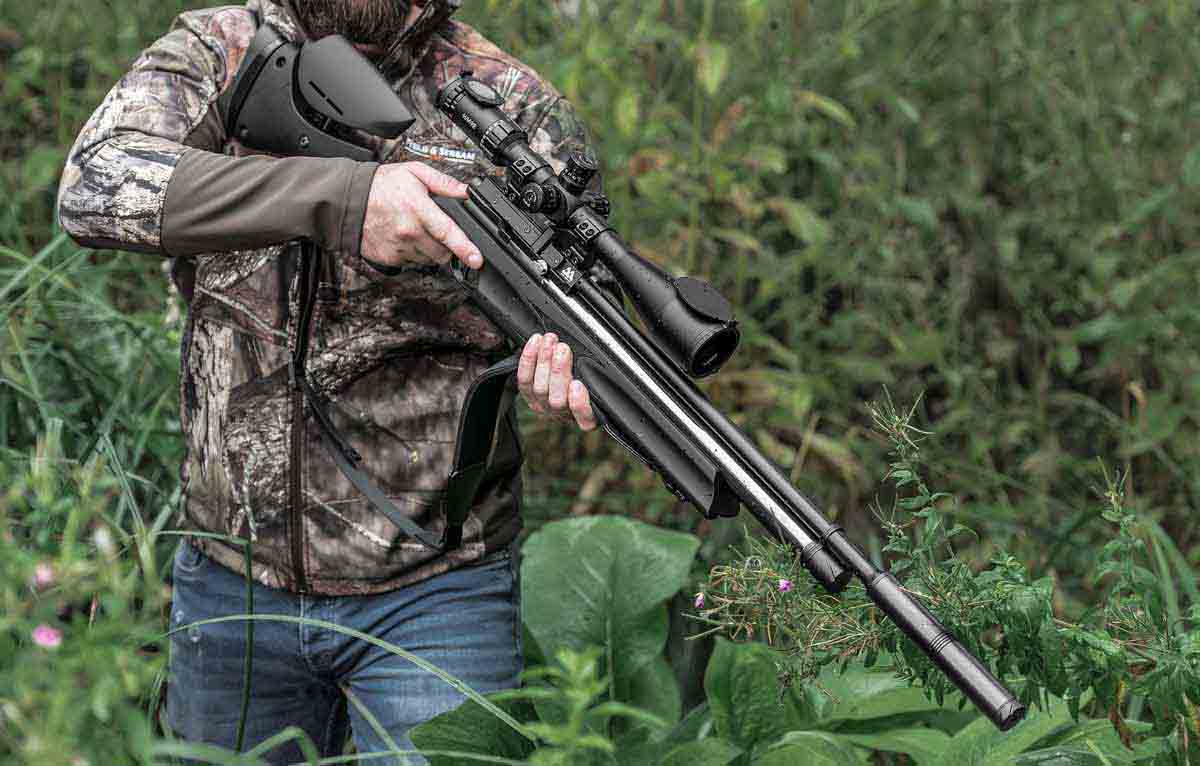
In England and Wales, most air rifles fall below the muzzle energy limit set by legislation (sub-12 ft-lb for rifles). If the maximum muzzle energy of the air weapon is within legal limits, a licence is usually not required.
However, if the muzzle energy exceeds that limit, the rifle becomes legally classified alongside other firearms and requires a firearms certificate. The owner must go through the full licensing process, including background checks and secure storage requirements.
Differences Across the UK
Different rules apply in Scotland and Northern Ireland, where an air weapon certificate may be required even for lower-powered air rifles.
- -In Scotland, most air weapons (muzzle energy over 1 joule / about 0.74 ft-lb) require an Air Weapon Certificate (AWC) from Police Scotland.
- In Northern Ireland, most air rifles require a firearm certificate from the PSNI, regardless of power level (above very low thresholds).
Because local laws can vary, it is always sensible to confirm the requirements for your region via official police or government websites.
Age Restrictions and Legal Limits
The law contains specific age restrictions regarding young people and air gun ownership and use. No one under 18 can buy, hire, or receive an air rifle (or pellets/ammunition) as a gift — this is an offence for both the seller/giver and the minor.
- Under 14 — Can use an air rifle under supervision on private premises with the occupier's permission. The supervising adult must be at least 21 years old and must maintain close control. They cannot possess independently or buy/hire/receive as a gift.
- 14–17 — Can borrow and use an air rifle (often without supervision) on private premises with the occupier's permission in England and Wales. In Scotland, those aged 14–17 can apply for their own AWC (with parental/guardian consent in many cases) and use/possess on private land with permission (often unsupervised, subject to certificate conditions). In Northern Ireland, rules are stricter — supervised use is possible from age 12+ in limited circumstances (e.g., pest control on farms or sporting purposes under a certificate holder aged 21+ with experience), but a certificate is usually required for possession.
- 18+ — Full adult rights to purchase, own, and use (subject to regional licensing requirements).
Young people may be able to shoot on private premises under adult supervision (where required), provided the adult maintains control of the situation. This supervision requirement exists to ensure that the air weapon is used safely at all times.
Purchasing and Owning Air Guns: Adult Responsibilities
Owning an air gun in the UK is a privilege that comes with clear legal obligations. Adults considering air gun ownership must ensure they have a valid reason for possessing an air weapon, such as target shooting, pest control, or participation in a shooting club. UK law requires that all air gun owners act responsibly to protect public safety and uphold the reputation of the shooting community.
One of the most important legal requirements is adherence to strict age restrictions. It is a serious criminal offence to sell, gift, or otherwise supply air guns, air rifles, or ammunition to anyone under 18 years old. This rule applies to all forms of transfer, whether through private sale, inheritance, or as a present. Adults must always verify the age of the recipient and understand that breaking this law can result in heavy penalties.
When purchasing an air gun, it is essential to buy from a registered firearms dealer. Dealers are required to follow the law, check identification, and ensure that the air weapon meets all legal standards, including muzzle energy limits and compliance with the Firearms Act. This not only guarantees that the gun is legally allowed but also provides peace of mind that the purchase is legitimate.
Adults must also be aware that gun ownership carries ongoing responsibilities. This includes ensuring that the air gun is used only for lawful purposes, such as pest control on private land or target practice at an approved shooting club. Owners should always be prepared to demonstrate a valid reason for possessing an air weapon if asked by authorities.
By following these legal requirements and seeking advice from reputable sources, adults can enjoy air gun ownership while ensuring the safety of minors and the wider public. Responsible gun ownership is the foundation of safe and enjoyable shooting in the UK.
What “Adult Supervision” Actually Means
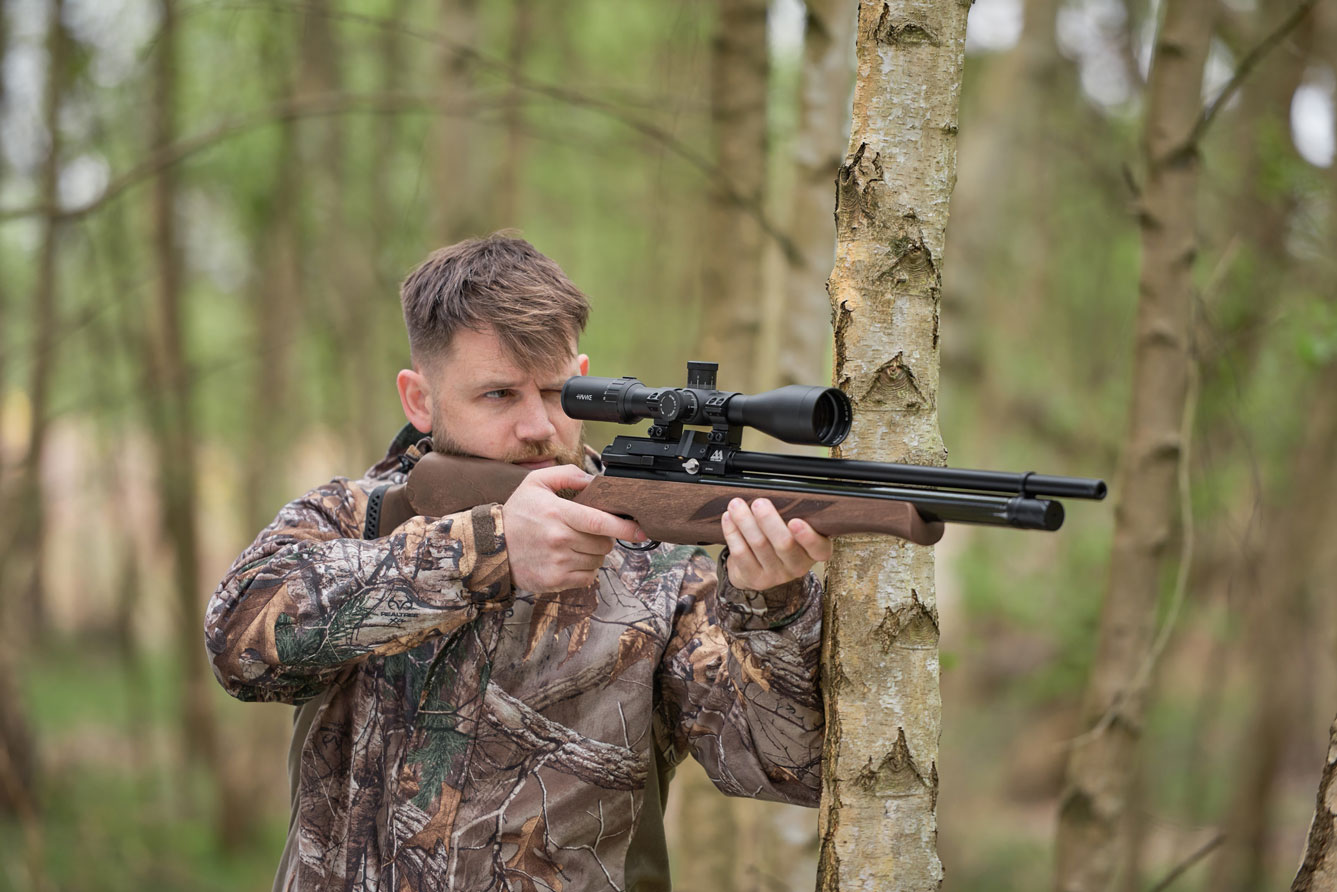
The term adult supervision is sometimes misunderstood. Supervision does not mean that an adult is somewhere nearby while a child uses a gun independently. Instead, the supervising adult must exercise control over the activity.
This means the adult should be close enough to intervene immediately if something goes wrong. They must ensure the rifle is handled safely and that shooting is carried out in a controlled environment. In licensed regions (Scotland and NI), certificate conditions may reinforce supervision for younger users.
Where Young People Can Legally Shoot
Young shooters cannot simply take an air gun anywhere and begin shooting. Carrying an air rifle onto private land without the landowner's permission is classified as armed trespass, which is a serious criminal offense. Shooting in public parks or woods without permission is strictly prohibited and also constitutes armed trespass. It is illegal to shoot beyond the boundaries of the property where you have permission, and you must always check with the landowner before shooting. You must have explicit permission from the landowner to shoot on their land, even if it appears to be public or accessible.
Shooting on Private Premises
In many cases, minors may use an air rifle on private premises, provided the property owner has granted permission. This could be a garden, farmyard, or suitable area of private land.
The adult supervising the activity must ensure that pellets remain within the property and that the maximum range of the pellet cannot endanger others.
Shooting Clubs and Organised Activities
Many young people begin their shooting journey through a shooting club. These clubs offer controlled environments for target practice and often have instructors who understand the legal responsibilities surrounding minors.
Club environments also allow beginners to develop safe habits before progressing to field shooting. Approved clubs may provide exemptions or simplified rules for possession/use by young members.
Transporting Air Rifles With Minors Present
Transporting air rifles when children are present requires care. Under UK law, anyone carrying an air gun in a public place must have a reasonable excuse. This might include travelling to a shooting club, organised target shooting event, or authorised location.
The rifle should be unloaded and stored securely during transport. These precautions help maintain public safety and prevent misunderstandings. In Scotland and NI, transport must comply with certificate conditions.
Safe Storage in Homes With Children
Safe storage is one of the most important responsibilities of air gun ownership. You can read more about power limits, licensing, and storage requirements in our guide to air rifle laws in the UK.
Preventing Access to Guns
Air rifles and air pistols should always be stored securely when not in use. This prevents children or visitors from gaining unsupervised access to guns.
Secure cabinets or locked cupboards are common solutions used by responsible owners. It is an offence to fail to take "reasonable precautions" to prevent under-18s gaining unauthorised access (e.g., if injury results).
Controlling Ammunition
Pellets and other ammunition should also be stored safely. Leaving ammunition accessible could encourage unsupervised use of the air weapon.
Responsible storage protects both the young person and the adult responsible for the rifle. In Scotland and NI, secure storage (often separate from ammo) is typically a condition of the certificate.
Introducing Young Shooters to Target Shooting
For many families, introducing a child to target shooting can be a positive and educational experience.
Learning to handle an air rifle teaches patience, concentration, and responsibility. However, the process must begin with safety.
Young shooters should first learn basic handling skills, including safe muzzle direction and trigger discipline. These principles are essential regardless of whether the rifle is a spring-powered model or one of the modern PCP air rifles using compressed air.
Choosing the Right Equipment
Not all air rifles are suitable for beginners. A lightweight rifle with manageable recoil is often the best starting point for a young shooter. Many entry-level air rifles are designed specifically for training and recreational shooting.
These principles are essential regardless of whether the rifle is a spring-powered model or one of the modern PCP air rifles using compressed air. Pre-charged pneumatic air rifles, in particular, use high-pressure systems and require special checks and handling procedures to ensure safety.
Adults should also ensure the rifle stays within the legal muzzle energy limits. A powerful air rifle intended for advanced shooters may not be appropriate for beginners.
Legal Considerations
Certain species such as grey squirrels or feral pigeons may be controlled under general licences. You may only shoot certain species listed under General Licences for specific reasons related to crop protection or public health. These licences allow action against specific pest bird species where necessary (check regional variations). All wild birds are protected under UK law, but some pest bird species can be legally shot if you have the landowner's permission and your licence permits it. You can legally shoot certain species of birds and animals in the UK with an airgun, but only under specific conditions and adhering to strict regulations. The legality of the species you can shoot will be outlined in your regional law, and you need permission to shoot on any land that is not yours.
However, minors should only participate in such activities under close supervision and with a clear understanding of wildlife law.
Ethical Shooting
When dealing with live quarry, the goal is always a humane outcome. Small game, such as rabbits and certain birds, can be legally hunted with an air rifle under specific conditions and with the appropriate permissions. A shooter must be able to consistently hit the target area required for a clean kill.
If the shooter cannot reliably achieve this, they should continue practising target shooting until their skills improve.
Public Safety Considerations
Responsible gun ownership always prioritises public safety. Young shooters must understand that an air rifle is not a toy. Even modest pellet guns can cause serious damage if used carelessly.
Adults supervising shooting must constantly monitor the environment and ensure that the rifle is used safely.
Consequences of Misuse
Failing to follow the rules surrounding air guns can have serious consequences.
If a minor uses a rifle without proper supervision and someone is injured, the supervising adult may face legal action. In extreme cases, misuse of firearms could result in heavy penalties, including fines, certificate revocation (in licensed regions), or other sanctions.
- These consequences highlight why responsible supervision is essential.
Teaching Safe Shooting Habits
Developing good habits early makes a significant difference.
Young shooters should learn to keep the rifle pointed safely at all times and to treat every air gun as if it were loaded. These principles apply whether the shooter is practising on own land or visiting a shooting club.
- Teaching safety from the beginning ensures that young shooters grow into responsible adults within the sport.
Final Thoughts
Introducing young people to air rifle shooting can be a rewarding experience when it is done responsibly. However, the responsibility always rests with the adult supervising the activity.
Understanding UK law (including regional differences), maintaining proper supervision, and storing equipment securely ensures that air guns remain safe tools for sport and training. By following these principles and teaching young shooters the importance of safety and respect, families can enjoy shooting activities while remaining fully compliant with the law. Always check official sources for the latest rules, as guidance can be updated.