



Understanding the Law on Air Rifles: What Happens if a Pellet Leaves Your Boundary?
Many people practise with air rifles in gardens, small paddocks, or rural properties across the UK. For many shooters, this type of target shooting is a convenient way to practise marksmanship without travelling to a shooting ground or recreational shooting facility. However, there is one risk that every home shooter must understand clearly. If a pellet leaves your boundary, the consequences can be serious.
The issue is not simply about etiquette or neighbour relations. Under UK firearms law, the owner of an air weapon is responsible for ensuring that it is used safely. If firing pellets causes a projectile to cross into neighbouring land, the shooter may be breaking the law. In some circumstances, this could even lead to an investigation by the police.
Across the UK, there are thought to be more than a million air rifles in circulation. The vast majority of these are used safely and responsibly. However, incidents involving pellets leaving a garden or yard remain the number one risk associated with home shooting. Understanding why this happens and how to prevent it is essential for both novice and experienced shooters.
This guide explains the legal position, the real-world consequences, and the practical steps you should take to ensure that an air weapon never sends a pellet beyond your boundary.
Why Pellets Leaving the Boundary Is a Serious Issue
An air rifle pellet may appear small and harmless, but the physics involved should not be underestimated. Even modest air rifles generate enough energy to send a pellet a considerable distance.
If a pellet leaves your property and enters neighbouring land, several problems can arise. The pellet could strike property, animals, or people. It could also land somewhere entirely unexpected due to an accidental ricochet.
The key principle of airgun laws in the UK is that shooters must take reasonable precautions to ensure safety. When a pellet leaves your boundary, authorities may argue that those precautions were not sufficient.
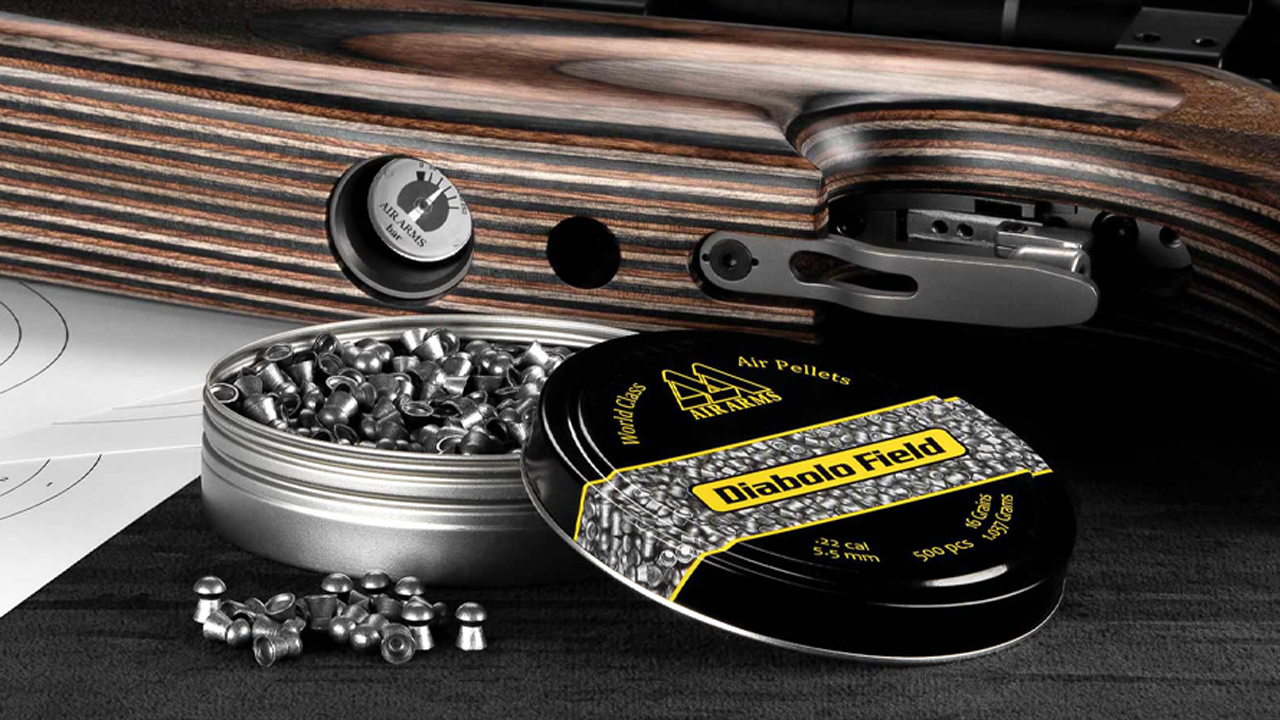
The Legal Responsibility of the Shooter
In most cases, the person using the rifle is legally responsible for what happens when the trigger is pulled.
Responsibility Under Firearms Law
The law on air rifles requires anyone who possess air weapons to use them in a safe manner. This means considering where the pellet will travel and what lies beyond the intended target.
If an air weapon is used carelessly and causes damage or danger, the shooter may face legal consequences.
Potential Criminal Consequences
Where an incident involves injury, damage, or serious risk to others, the matter could escalate. In extreme situations a shooter could be investigated for a serious criminal offence.
Even if the pellet causes no injury, the authorities may still treat the situation seriously if it demonstrates unsafe use of an air weapon.
The Crime and Security Act and Air Weapons
Another important piece of legislation affecting air weapons is the Crime and Security Act.
Preventing Unauthorised Access
This legislation places responsibility on owners to prevent gaining unauthorised access to their equipment. Owners must take steps to prevent unauthorised access to all your equipment, including rifles and pellets.
This rule is especially important in homes where children or visitors may be present.
Owner Responsibility
Under the Crime and Security Act, normally the owner of the air weapon is responsible for preventing misuse. If someone gains access to the rifle due to poor storage practices, the owner could face legal consequences.
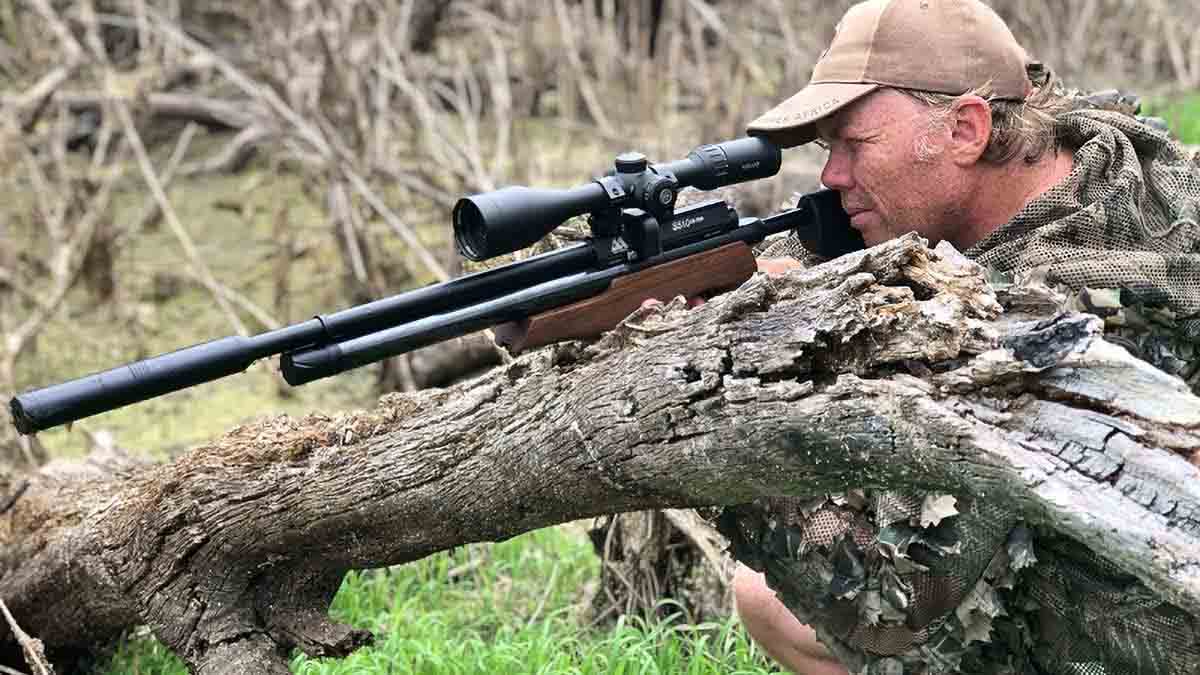
Understanding Pellet Range and Risk
Many people underestimate the maximum range of an air weapon.
Air Rifle Pellet Travel Distance
Depending on the type of air rifles, a pellet can travel well beyond the distance typically used for target shooting. Even when accuracy drops significantly, the pellet may still carry enough energy to cause harm.
Because of this, shooters must always assume that a pellet could travel further than expected.
Unexpected Ricochets
Another risk is the accidental ricochet. Pellets striking a polished surface such as metal, stone, or brick may change direction unpredictably.
In these situations the pellet may leave the shooting area even when the original shot seemed safe.
The Importance of a Safe Shooting Direction
A fundamental principle of safe shooting is controlling the direction of the pellet.
Always ensure that the rifle is not aimed in an unsafe direction and that the muzzle pointing is directed toward a secure backstop. If the pellet misses the target, it must still stop safely within the boundary of the property.
An experienced shooter will always consider what lies beyond the target before taking the shot.
Why Backstops Are Essential
One of the most effective ways to prevent pellets leaving your property is to use a proper backstop.
Natural Earth Backstops
Earth banks or thick soil areas absorb pellet energy very effectively. Many air rifles are safely used against natural backstops for this reason.
These setups are often found at organised ranges and numerous clubs catering for airgun enthusiasts.
Pellet Traps and Target Systems
Purpose-built traps provide another safe option. They capture pellets and prevent them from travelling beyond the shooting area.
Using a proper trap is especially important in small gardens where the distance between the shooter and the boundary may be less than two metres.
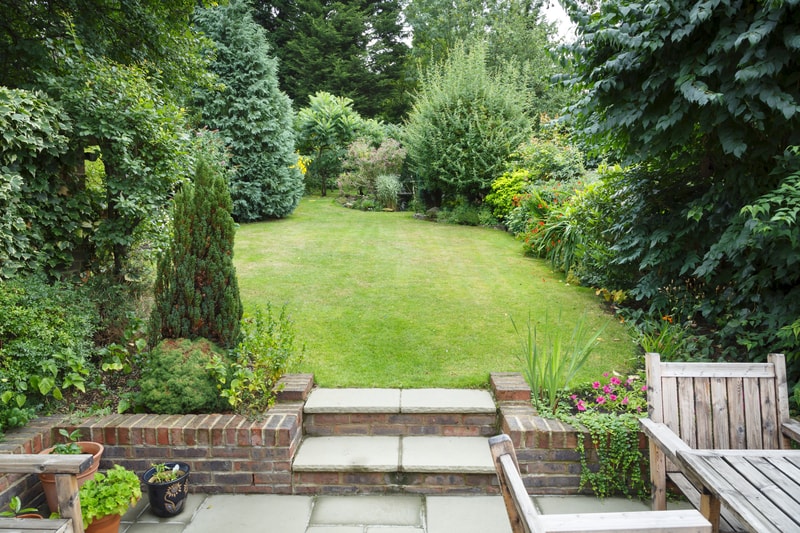
Setting Up a Safe Garden Range
Home shooting setups must be designed carefully.
Positioning the Target
The target should always be positioned so that the pellet cannot escape the boundary even if the shot misses completely.
A safe setup ensures that every pellet stops safely behind the target.
Considering the Surroundings
Consider buildings, fences, neighbouring gardens, and public areas. Even a small miscalculation could send a pellet onto neighbouring land.
Responsible shooters always review their setup before starting to shoot.
Preventing Access to Equipment
Another important safety factor is preventing unauthorised access.
Secure Storage
Airguns should be stored in a location where children or visitors cannot reach them. This reduces the risk of misuse and helps ensure compliance with the Crime and Security Act.
Pellets should also be stored securely, as carrying pellets or leaving them accessible can encourage unsafe behaviour.
Responsibility for Young Users
If a young person is using an air weapon, supervision is essential. The law places responsibility on adults to ensure that both the young person and the equipment remain safe.
Responsible Shooting Practices
Good habits prevent accidents.
Always follow the rifle manufacturer’s instructions and maintain equipment properly. Cleaning the barrel occasionally with a proper barrel cleaning kit and wiping it with a lightly oiled rag can help maintain accuracy and safety. You must zero your rifle and sights before starting any hunt to ensure accuracy. It is important to choose pellets designed for hunting to ensure a cleaner kill compared to those intended for target shooting. Always shoot well within your capabilities and practice regularly to improve your shooting skills, so you can consistently hit your intended target.
These small maintenance steps ensure that the rifle behaves predictably.
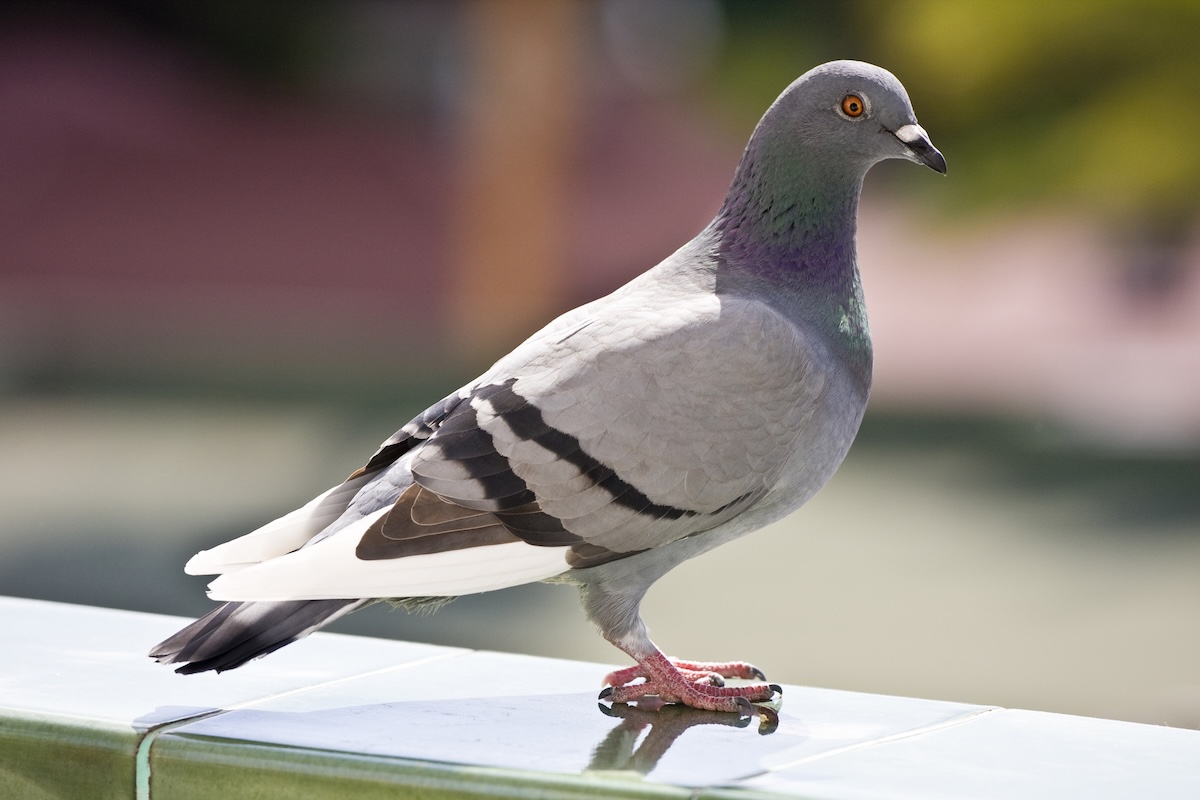
Shooting at Live Quarry
Air rifles are suitable for hunting certain pest species such as brown rats, grey squirrels, stoats, mink, and rabbits, and these are considered suitable quarry. The ideal power level for an air rifle used in hunting is just over 11 ft-lb (15J). Certain types of air rifles, such as repeating air rifles, provide an advantage for immediate second shots, which is especially useful when hunting.
While this article focuses mainly on home shooting, it is worth understanding how the same safety principles apply in the field.
- Many people shoot mammal pests such as rabbits or grey squirrels, and some also control certain pest bird species. When people shoot live quarry, ethical standards must be maintained. It is illegal to shoot wild birds, as they are protected, but certain pest bird species can be hunted with permission from the landowner, and you must legally shoot game in accordance with relevant laws.
- A well-placed shot aimed at the kill zone ensures a humane result. The preferred target is a side on head shot for a clean kill, and you should never shoot at partially obscured quarry or quarry that could escape into cover before retrieval. Depending on the animal, this may involve head shots or a shot to the breast or body cavity. When you shoot rabbits, it is important to be accurate and mindful of their burrows and escape routes.
- If the shot results in wounded quarry, the shooter must be ready to take an immediate second shot or perform humane dispatch. Dispatching wounded rodents quickly and humanely is essential—use a sharp blow to the head if necessary, and remember that wounded rodents may carry fatal diseases, so always handle them with tools rather than directly.
- There is a difference between edible quarry, which is intended for consumption and should be stored appropriately, and non edible quarry, which should be disposed of responsibly to prevent health hazards and offense to others. Proper handling is important in both cases.
- Wildlife conservation is a key aspect of responsible shooting, and it is essential to always act in a safe and responsible manner when hunting.
Understanding Where You Can Shoot
Many home shooters practise on private land or own premises.
However, it is essential to remember that the responsibility for the pellet remains with the shooter. Even on own land, allowing pellets to cross the boundary may create legal problems.
In some cases authorities may even investigate if the situation resembles armed trespass.
What Happens if the Police Are Contacted
If a pellet lands on neighbouring property, the neighbour may contact the police.
Possible Investigations
Authorities may visit to determine whether the air weapon was used safely. They may ask questions about how the rifle is stored and how the shooting area is set up.
The outcome will often depend on whether the shooter took reasonable precautions.
Potential Penalties
If the investigation shows reckless behaviour, penalties may follow. In serious cases the incident could result in a very heavy penalty or confiscation of equipment.
Differences Across the UK
The law surrounding air weapons varies slightly across the UK.
In Scotland, shooters must often obtain an air weapon certificate, while different rules apply in Northern Ireland. Authorities such as Police Scotland may handle enforcement and licensing.
In the United Kingdom, air rifles are restricted to a muzzle energy of 12 foot-pounds; any air rifle exceeding this limit requires the owner to hold a firearm certificate. Air guns used at recreational shooting facilities or organised events may also be subject to specific legal requirements and licensing.
Other countries regulate air guns and air rifles differently. In Germany, rifles with a muzzle energy up to 7.5 joules can be owned by adults (18+) without a license, provided they have the 'F-in-pentagon' mark. In Canada, air rifles with a muzzle velocity over 500 feet per second and a muzzle energy over 5.7 joules are classified as firearms and require a Possession and Acquisition License (PAL); high-power air rifles always require a PAL. In Australia, air rifles are typically considered Class A firearms, requiring a license and registration regardless of their power. In the United States, air rifles are generally not classified as firearms under federal law because they use compressed air rather than gunpowder, but some states, such as Illinois, treat certain air guns (over .18 caliber and shooting over 700 feet per second) as firearms.
Air rifles are generally considered unregulated to completely regulated across different countries, with some requiring full firearms certification.
Because regulations change over time, it is always wise to confirm local requirements.
Alternatives to Home Shooting
- If your property cannot safely contain pellets, it may be better to use another location.
- A shooting ground, club, or recreational shooting facility provides a controlled environment where pellets cannot leave the range. These venues offer shooting opportunities for both the novice and the experienced shooter alike, ensuring that all skill levels are welcome.
- These venues also offer training and guidance for new shooters who wish to improve their shooting and stalking skills. It is important to always act responsibly and promote good conduct and safety among your shooting companions to ensure a positive and safe experience for everyone.
Final Thoughts
Allowing a pellet to leave your boundary is one of the most common risks associated with using air weapons at home. While many air rifles are used safely every day, the responsibility remains with the shooter to ensure that every pellet stops safely.
By following the principles of safe direction, proper backstops, and secure storage, shooters can reduce the risk significantly. These steps demonstrate the same attitude that responsible shooters across the UK share.
Whether you are practising in your garden or preparing for field shooting, taking reasonable precautions ensures that air weapons continue to be used safely and responsibly.