



Understanding the Air Rifle Permit: What is an ‘Air Weapon Certificate’ and Why is it Mentioned So Often?
Introduction
If you’ve been researching air rifles in the UK, you’ve probably come across the term Air Weapon Certificate more than once. It often appears in guides, discussions, and legal explanations, which naturally leads to confusion about whether it applies to everyone or only certain parts of the UK.
The short answer is that an Air Weapon Certificate is a type of legal permission required in Scotland to own or use most air rifles. The reason it comes up so often is because UK air rifle laws are not the same everywhere, and Scotland has its own specific system that differs from England and Wales. In Great Britain, character references from residents are often required for licensing, and referees should be familiar with the applicant's background within the country. Requirements can also differ depending on the region.
Understanding this difference is key to making sense of how air rifles are regulated across the country. In the United Kingdom, the requirements for an air rifle permit depend on the power of the weapon and where you live.
What is an Air Weapon Certificate?
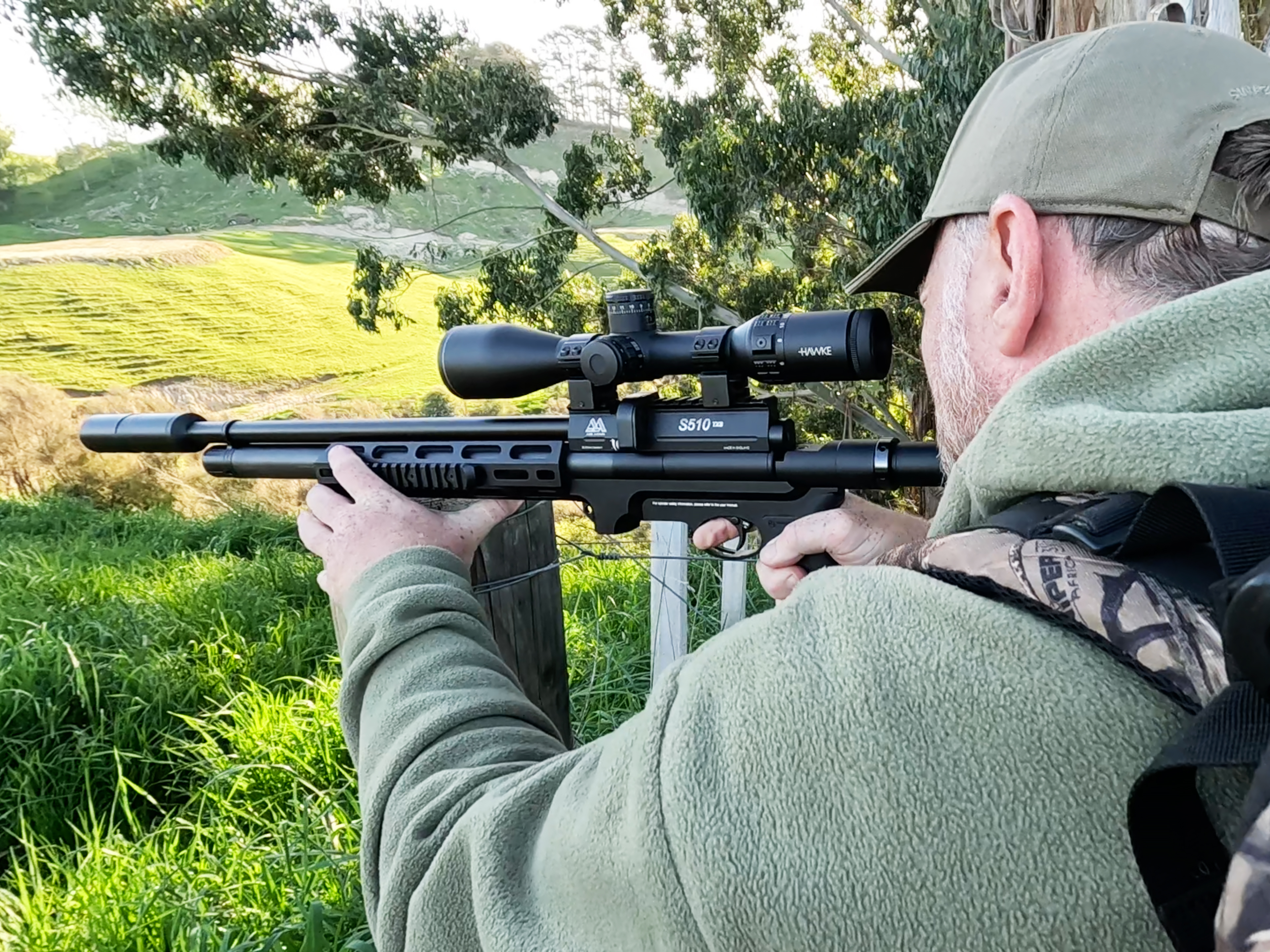
An Air Weapon Certificate is an official licence issued in Scotland that allows a person to legally own and use an air rifle or other air weapon. It is managed by Police Scotland and is part of a licensing system introduced to improve safety and accountability.
To obtain one, an individual must apply and demonstrate that they are a suitable person to own an air weapon responsibly. This includes background checks and an assessment of how and where the air rifle will be used and stored. General licences are available for less powerful guns, while more powerful guns require a firearms certificate, which is subject to stricter licensing requirements.
Once granted, the certificate legally permits the holder to purchase, possess, and use an air rifle in accordance with Scottish law.
Why Does Scotland Require One?
Scotland introduced the Air Weapon Certificate system to bring air rifles and other types of guns under tighter control and reduce misuse. The licensing system in Scotland also covers airsoft guns, which are subject to specific legal restrictions and regulations regarding their classification and energy limits. While air rifles are often used responsibly for sport and pest control, they are still capable of causing harm if used incorrectly.
The licensing system ensures that owners of these guns are identifiable and that there is a formal process in place before someone can acquire an air weapon. This approach is different from England and Wales, where most standard air rifles do not require a licence.
Because of this difference, the term appears frequently in UK-wide information, even though it does not apply everywhere.
Why is the Air Weapon Certificate Mentioned So Often?
One of the main reasons this term shows up so frequently is because UK air rifle laws are often discussed as a single topic, even though they vary by region. Many online guides, forums, and product pages are written for a UK audience as a whole, which means Scottish requirements are often included alongside English and Welsh rules.
It’s important to note that an Air Weapon Certificate is distinct from a shotgun certificate, which is required for shotguns and follows a different application process with its own criteria and authority oversight.
This creates the impression that an Air Weapon Certificate is required everywhere, when in reality it only applies in Scotland.
Another reason it appears so often is that people searching for “air rifle licence” are usually trying to understand what legal steps are needed. Since Scotland does require formal licensing, the term naturally becomes part of those explanations.
How the Rest of the UK Differs
To understand the Air Weapon Certificate properly, it helps to see how it compares with the rest of the UK.
In England and Wales, air rifles that discharge ammunition with a muzzle energy below 12ft/lb (ft lb) do not require a firearms certificate and are covered by a General Licence, while those above this threshold are classified as Section 1 firearms and require a Firearms Certificate. The kinetic energy of the airgun is a key factor in determining licensing requirements. PCP air rifles, which are a type of pre-charged pneumatic air rifle, may have higher power levels and could require different licensing depending on their energy output.
Air rifles and ammunition must be purchased through a registered firearms dealer. Individuals must be at least 14 years old to obtain an air rifle licence, but it is illegal to sell, use, hire, or gift an air weapon or ammunition to anyone under 18 years of age. Young people aged 14 to 17 may not buy or hire an airgun or ammunition, but they can borrow one from someone over 18 and use it on private property with the occupier's explicit consent.
Children under 14 years of age are prohibited from buying, hiring, borrowing, or receiving an airgun or ammunition, and must be supervised by an adult aged 21 or over when using an airgun. Secure storage arrangements for air rifles typically require a locked cabinet. Carrying an air rifle in a public place requires a reasonable excuse, and the rifle must be unloaded and in a gun cover. Discharging an air rifle within 50 feet of the centre of a highway, if it endangers or interrupts road users, is illegal. You must demonstrate a legitimate reason to possess a high-powered .22 air rifle, such as for pest control or target shooting. It is an offence to fire a pellet beyond the boundaries of the land where permission has been granted; use of air rifles is only permitted on private property with the landowner's explicit consent.
In Scotland, the Air Weapon and Licensing (Scotland) Act 2015 requires individuals to obtain an Air Weapon Certificate or Permit to purchase or acquire any air weapon after December 31, 2016. The fee for an air weapon certificate is £72 for a five-year period, with a renewal cost of £48. The same age restrictions and requirements for purchasing through a registered firearms dealer apply.
In Northern Ireland, police approval is required to possess an air gun, as outlined in The Firearms (Northern Ireland) Order 2004. Airguns with a discharge kinetic energy greater than one Joule require a Firearm Certificate. The cost for a firearm certificate grant is £98, with variations costing between £15 to £30.
To obtain a Firearms Certificate for an air rifle, applicants must provide a medical form completed by their doctor, character references from two individuals, and proof of identity, following the step-by-step application process for an air rifle licence in the UK. The application process can take up to 12 weeks, and applicants should ensure they have all necessary personal details ready.
This difference is why UK-wide discussions can feel inconsistent. The laws are not identical, even though they are often explained together.
Application Process for an Air Rifle Licence
Applying for an air rifle licence in the UK involves several important steps, and the requirements can vary depending on the type of air rifle you wish to own, as outlined in detailed guides on how to get an air rifle licence in the UK. The first step is to determine whether your air rifle requires a licence at all. In England and Wales, most air rifles with a muzzle energy below 12ft/lb can be owned without a firearm certificate, provided you use them for lawful purposes such as target shooting or pest control. However, if your air rifle exceeds this power limit, it is classified as a Section 1 firearm and you must apply for a Firearm Certificate under UK air rifle law.
The application process starts by contacting your local police force or firearms licensing unit. You will need to complete an application form, which asks for personal details, information about the air rifle, and your intended use. You must provide character references who can vouch for your suitability to possess firearms, and you will undergo background checks as part of the process, in line with UK law for air rifles.
A key part of the application is demonstrating a “good reason” for owning the air rifle—this could include activities like target shooting at a registered club or managing pests on private land with the landowner’s permission. You must also be at least 14 years old and able to show that you are medically sound to handle firearms safely. This involves submitting a medical form completed by your doctor, which assesses your mental and physical health.
Secure storage is another critical requirement. You must provide evidence that your air rifle will be stored securely, such as in a locked cabinet, to prevent unauthorised access. The police may inspect your storage arrangements as part of the application process.
To get started, you can find contact details for your local police department or firearms licensing unit on their official website. They can provide guidance on the application process, legal requirements, and any additional documentation you may need to supply. By following these steps and ensuring you meet all legal requirements, you can apply for an air rifle licence with confidence.
Do You Need to Worry About It?
Whether or not you need an Air Weapon Certificate depends entirely on where you live. If you are in Scotland, you will likely need one before purchasing or using an air rifle. If you are in England or Wales, you usually will not, but you must still follow strict safety and usage laws. Carrying an air rifle in public requires a reasonable excuse and must comply with legal requirements.
This is why it is always important to check local regulations rather than relying on general UK summaries. Air rifles should only be used on private premises with proper permission, and shooting outside private premises can lead to legal offenses. The rules are clear once you know your region, but easy to misunderstand when they are blended together.
Air Rifle Use and Responsibility
Even where no licence is required, air rifles are still controlled items and must be handled responsibly. They can only be used on private land with permission or at approved shooting locations, which includes understanding when it is lawful and safe to shoot an air rifle in your garden. When a young person under 18 years of age is using an air rifle, both the young person and the supervising adult can be held legally responsible for any offences committed. Specific age restrictions apply: for example, those under 14 years of age must be supervised by an adult, and it is illegal for anyone under 18 years of age to purchase or own an air rifle.
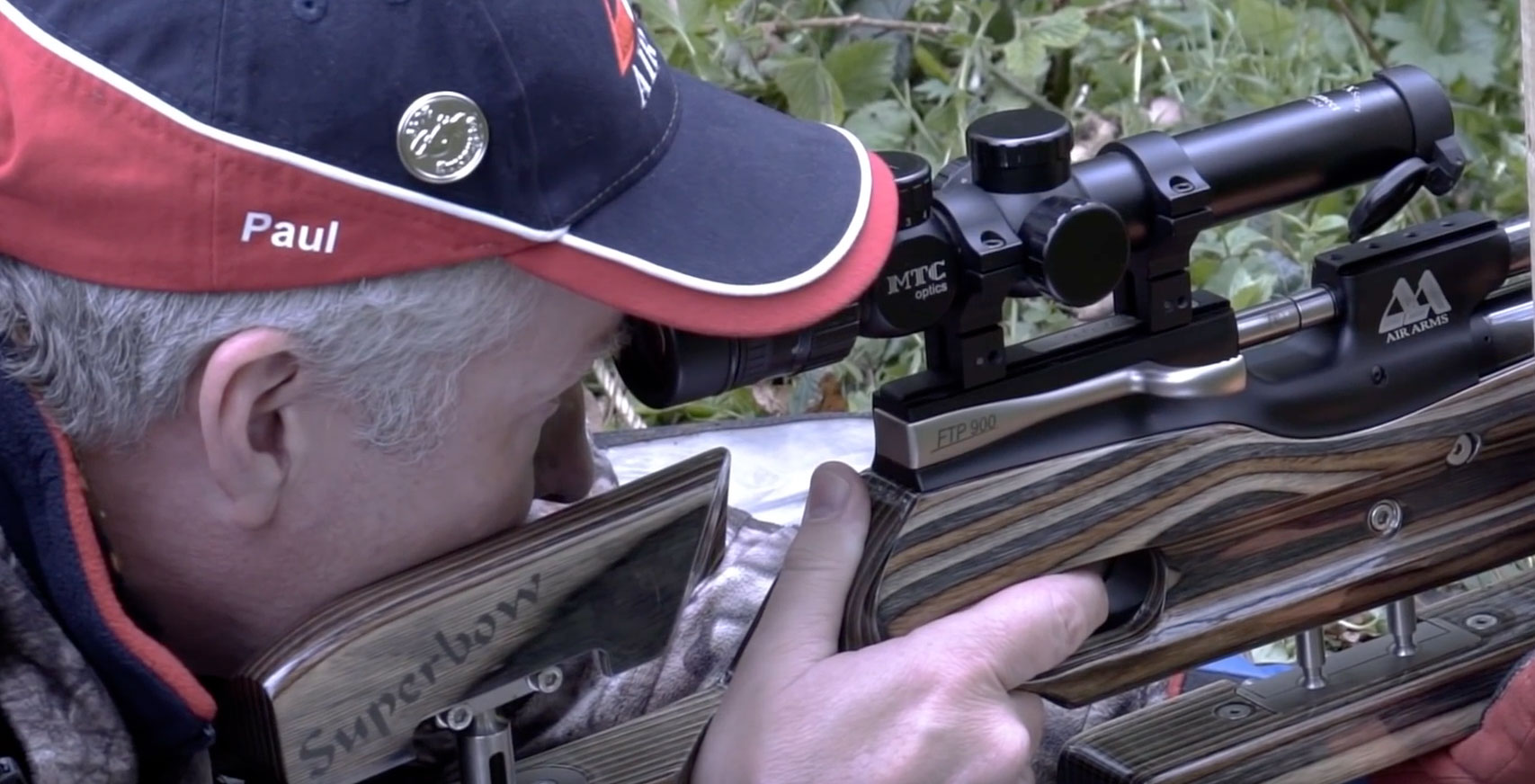
Manufacturers such as Air Arms, a well-known UK-based air rifle producer, design equipment for precision shooting and sporting use. However, regardless of the brand or model, safe handling and legal use are always the responsibility of the owner. Additionally, airsoft guns that fire small plastic missiles are subject to different legal definitions and requirements, often based on the missile's material and size.
Penalties for Misuse of Air Weapons
Misusing an air weapon in the UK carries serious consequences, reflecting the importance of responsible ownership and compliance with firearms law. Penalties for offences involving air rifles or air pistols can range from substantial fines to lengthy prison sentences, depending on the severity of the incident.
Under the Firearms Act 1968 and the Policing and Crime Act, offences such as possessing an air weapon without the appropriate certificate, using an air rifle in a public place without lawful authority, or allowing a young person unsupervised access to an air gun can result in fines of up to £5,000. More serious offences, such as using an air weapon with intent to endanger life or commit a crime, can lead to life imprisonment.
In Scotland, it is an offence to possess or acquire an air weapon without a valid Air Weapon Certificate or Air Weapon Permit, as set out in the Air Weapon and Licensing (Scotland) Act 2015. In Northern Ireland, air rifles are regulated under the Firearms (Northern Ireland) Order 2004, and police approval is required for legal possession.
If you are found guilty of misusing an air weapon, you may not only face criminal penalties but also the revocation of your firearm certificate or air weapon certificate. This can affect your ability to legally possess any firearms in the future.
To avoid these penalties, it is essential to follow the correct application process, meet all legal requirements, and always handle air rifles safely and responsibly. Stay informed about the latest regulations by checking with your local police force or firearms licensing unit, and ensure you understand your obligations under UK law. Responsible ownership protects both you and the wider community.
FAQ
What is an Air Weapon Certificate in simple terms?
It is a licence required in Scotland to own or use most air rifles legally.
Do I need an Air Weapon Certificate in England?
No. It only applies in Scotland, not England or Wales.
Why does Scotland have this rule?
It was introduced to improve safety and ensure responsible ownership of air weapons.
Is an Air Weapon Certificate the same as a gun licence?
No. It is a specific type of licence for air weapons in Scotland, separate from standard firearms certificates.
Why do I keep seeing this term online?
Because many UK guides cover all regions together, even though the rules differ.