



Pellet Gun Laws UK: Where You Can Shoot, Carry, and Store
Air rifles are one of the most widely owned types of sporting equipment in the UK. It is often estimated that there are several million air rifles in circulation across the country, used for everything from target shooting and pest control to training and recreational shooting. Despite their popularity, many people are unsure about exactly what the law says regarding where you can shoot, how you transport an air rifle, and how it must be stored.
UK firearms law is detailed, and the rules governing air gun ownership are mainly set out in the Firearms Act and supporting firearms regulations (with separate provisions in Scotland and Northern Ireland). These laws apply differently depending on whether you live in England and Wales, Scotland, or Northern Ireland, and it is always important to confirm details with official government guidance or your local police firearms licensing team.
This guide explains the core principles of air rifle law in straightforward language. It covers where you can shoot, when you need a firearm certificate (or equivalent), how to transport an air gun, and the responsibilities that come with owning an air weapon. It is written for both the novice shooter who has just bought their first rifle and the experienced shooter who wants to double-check the rules.
Throughout the article, you will also find reminders to confirm current legislation through official government sources or your local police firearms licensing team, as local laws and regulations can change.
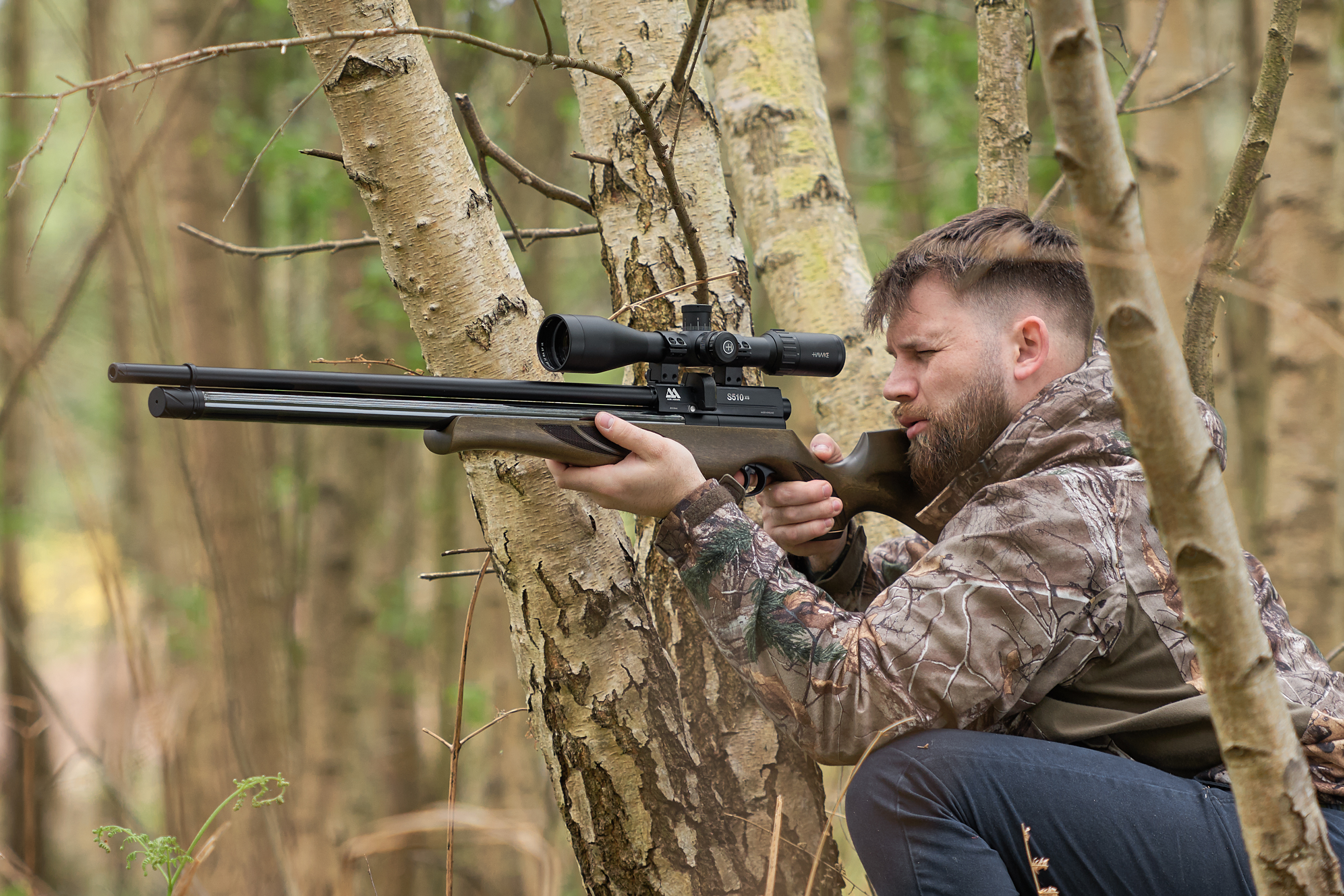
Understanding Air Rifle Laws in the UK
The legal framework that governs an air rifle in the UK comes primarily from the Firearms Act (with the Air Weapons and Licensing (Scotland) Act 2015 applying specifically in Scotland, and the Firearms (Northern Ireland) Order 2004 in NI). These define what counts as an air weapon, how it can be owned, and when licences are required.
In simple terms, most standard sporting air rifles fall into a category that does not require a firearm certificate in England and Wales, provided they remain within legal power limits. However, even when a licence is not required, an air rifle is still legally classified as an air weapon, which means misuse can still be treated as a serious criminal offence. The law makes no distinction between air rifles and more powerful guns for which you need a firearms licence – they are all classed as firearms. Any offence you commit with an air rifle can carry a very heavy penalty, and there are at least 38 different offences related to their use.
Because of this, responsible air gun ownership involves understanding not only the equipment but also the rules surrounding transport, storage, and where shooting is permitted. Firearms certificate holders, who possess firearms under a certificate, have specific legal responsibilities to ensure compliance with all relevant regulations. If you wish to own certain types of guns, you must apply for and manage a firearms licence in accordance with the law. If in doubt, the safest option is to consult official contact details provided by your local police firearms licensing department.
What Counts as an Air Rifle Under UK Law
Under the relevant legislation, an air rifle is a type of air weapon that fires a projectile using compressed air, gas, or a mechanical system such as a spring piston. These rifles are widely used for target practice, pest management, and recreational shooting.
The legal definition also includes other types of air guns, including repeating air rifles and certain air pistols. While the mechanical systems vary, the legal classification remains the same if the rifle uses compressed air or gas to propel a pellet.
Many air rifles operate using pre-charged pneumatic systems, spring mechanisms, or gas-ram designs. Regardless of the design, users should always follow the rifle manufacturer’s instructions and maintain their equipment properly with tools such as a proper barrel cleaning kit to ensure safe operation. It is essential to adhere to the rifle manufacturer's instructions for cleaning, lubricating, and maintaining the firearm, using the correct tools, lubricants, and procedures as specified by the manufacturer. This helps ensure both safety and optimal performance of the air rifle.
When You Need a Firearm Certificate (or Equivalent)
Licensing requirements vary significantly across the UK.
- In England and Wales, most sub-12 ft-lb air rifles do not require a firearm certificate. However, if an air rifle exceeds the legal power limit (12 ft-lb for rifles, 6 ft-lb for pistols), it becomes a Section 1 firearm that must be licensed. Air rifles with a pellet discharge over 12ft/lb require a firearm certificate (firearms licence) to purchase and use. For shotguns, a shotgun certificate is required for lawful ownership, which is a separate process from air rifle licensing.
- In Scotland, under the Air Weapons and Licensing (Scotland) Act 2015 (in force since 2017 and current as of 2026), you need an Air Weapon Certificate (AWC) from Police Scotland to possess, purchase, acquire, or use most air weapons (including low-powered ones) with muzzle energy exceeding 1 joule (about 0.74 ft-lb). This applies to the vast majority of sporting air rifles. A licence is required to own air rifles that have a pellet discharge over 12ft/lb, which means a separate Section 1 firearms certificate is needed for these high-powered air rifles. Applications involve “light touch” checks for suitability, good reason (e.g., target shooting, pest control), and fees. A shotgun certificate is required for lawful shotgun ownership, which differs from the licensing process for air rifles.
- In Northern Ireland, all air rifles capable of discharging a missile with kinetic energy exceeding 1 joule (most standard air rifles) are classified as firearms and require a firearm certificate from the Police Service of Northern Ireland (PSNI), regardless of power level. Very low-powered air guns under 1 joule may be exempt. A licence is required to own air rifles that have a pellet discharge over 12ft/lb. A shotgun certificate is also required for lawful shotgun ownership, which is distinct from the requirements for air rifles.
Possession of any type of firearm, including air rifles, without the appropriate certificate can result in a maximum penalty of 14 years in prison and an unlimited fine.
High-Power Air Rifles
An air rifle that produces energy above the relevant legal threshold is legally treated in the same category as other powerful guns. In this situation, the owner must apply for the appropriate licence through the local police firearms licensing unit.
Obtaining a certificate involves background checks, secure storage requirements, and demonstrating a valid reason to own the rifle. In many cases this may involve membership at a shooting ground, club participation, or legitimate pest control activities.
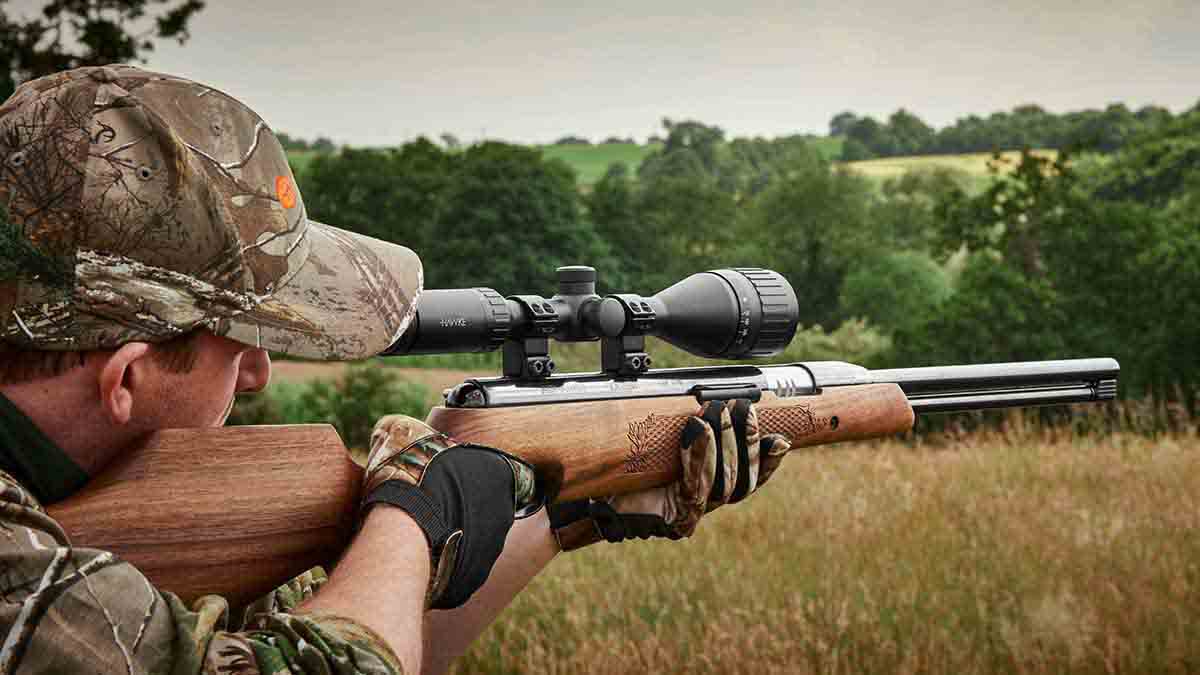
Differences Across the UK
The rules change significantly outside England and Wales. In Northern Ireland, anyone wishing to own an air rifle (over 1 joule) must apply for a firearm certificate, regardless of power level. Similarly, Scotland requires an Air Weapon Certificate for most air weapons (over 1 joule).
Because of these regional differences, it is essential to check local laws using official government contact details before purchasing an air rifle.
Age Restrictions and Young Shooters
There are clear age restrictions regarding who can own and use an air rifle in the UK (with some variations). Children under 14 may only use an air gun under the supervision of a person aged 21 or over on private premises with permission from the person entitled to allow shooting—normally the owner or tenant. Both the young person and the supervising adult must follow strict safety rules. The adult must exercise control over the situation at all times and ensure the air rifle is used safely. Parents or guardians who buy an air rifle for use by someone under the age of 14 must exercise control over it at all times, even in the home or garden.
It is illegal to sell an air rifle or ammunition to a person under 18 years of age, and individuals must be at least 18 years old to buy an air rifle and ammunition in the UK.
Persons aged 14 to 17 can use air rifles without supervision on private premises where they have permission from the person entitled to allow shooting—normally the owner or tenant. However, they cannot buy their own air weapon in most cases, and the responsibility for safe use remains with the supervising adult if supervision is required.
Additional restrictions apply in Scotland and NI due to licensing requirements—young people may need to be covered under an adult’s certificate or meet specific criteria.
- Because misuse can lead to serious legal consequences, failing to supervise properly can result in penalties for both the young person and the adult responsible.
Where You Can Legally Shoot an Air Rifle
One of the most common questions surrounding air rifle law is where it is actually legal to shoot. The rules on locations are broadly similar across the UK.
It is illegal to shoot on public property without explicit permission from the landowner.
For target shooting, you must ensure you are on your own premises or have permission to use private land. It is important to have a safe and suitable area for shooting activities, with proper safety measures such as effective backstops in place.
Shooting on Private Land
The most common legal location is private land, provided you have permission from the landowner (and hold any required certificate in Scotland or NI). If you own land, you can use an air rifle there for target practice or pest control as long as the activity is carried out safely. It is an offence to fire an air rifle pellet beyond the land where you have permission to shoot, unless the occupier of the neighbouring land has also given you permission. Legal activities on private land include shoot target shooting, but you must always have the landowner's permission and follow all safety regulations.
When shooting on private premises, you must ensure that pellets cannot leave the boundary. Many shooters achieve this by using a backstop such as an adequate soft soil bank, purpose-built pellet trap, or a safe barrier.
Shooting Clubs and Ranges
Another safe and lawful environment is a recognised club or shooting ground. There are numerous clubs catering for airgun enthusiasts across the UK, offering organised target shooting, competitions, and training.
Clubs are particularly useful for beginners because they provide access to experienced mentors and structured safety practices (and may assist with licensing in Scotland/NI).
Shooting in Your Garden
Many people use an air rifle for target practice in their garden. This can be legal, but it must be done responsibly.
You must ensure that firing pellets cannot leave the boundary of your private premises. A pellet leaving the property could be treated as reckless use of an air weapon, particularly if it endangers neighbouring property or public areas.
Safe backstops are essential. A properly constructed trap, thick timber board, or brick wall behind a pellet catcher can reduce risk, although the safest option is still a dedicated pellet trap with a secure backstop such as an adequate soft soil bank.
Transporting and Carrying an Air Rifle
Transporting an air rifle is legal, but the law requires a reasonable excuse (similar across the UK).
What Counts as a Reasonable Excuse
Examples of a reasonable excuse include travelling to a shooting club, visiting private land where you have permission to shoot, or transporting the air rifle to a repair shop or firearms dealers.
When travelling, the rifle should be unloaded and ideally stored in a case. Carrying a loaded air rifle in public without a good reason could be considered irresponsible and may attract police attention.
Armed Trespass
Entering land with an air rifle without permission can result in armed trespass, which is treated seriously under the relevant firearms legislation. Even if the air rifle is not being used, simply carrying it on land without permission may lead to legal consequences.
Safe Handling and Responsible Shooting
Legal compliance is only one part of responsible shooting. The safe handling of an air rifle is equally important.
Offensive Weapons: When Air Rifles Cross the Line
While air rifles are designed for lawful activities like target shooting and pest control, it’s important to understand that they can be classed as offensive weapons if misused. Under the Firearms Act and supporting firearms regulations, an air rifle becomes an offensive weapon if it is used, or intended to be used, to cause injury or to threaten others.
Carrying an air rifle in public without a valid reason—such as travelling to a shooting ground or private land where you have permission—can quickly lead to trouble. If you are found with an air rifle in circumstances that suggest you intend to use it for harm, or even to intimidate, you could face serious criminal charges. This includes situations where an air rifle is brandished in a threatening manner, or used recklessly in public places.
The law is clear: air rifles must always be handled in a safe and responsible manner. Using an air rifle to frighten, threaten, or harm others is not only dangerous but also a serious criminal offence under the Firearms Act. Penalties can include arrest, prosecution, and even imprisonment.
To stay on the right side of the law, always follow firearms regulations—store your air rifle securely, only transport it with a valid reason, and never use it in a way that could be seen as aggressive or threatening. Responsible air rifle ownership protects both you and the wider community, ensuring that these sporting tools are never mistaken for offensive weapons.
Basic Safety Principles
Always treat an air rifle as though it were loaded. Keep the muzzle pointing in a safe direction and avoid handling the rifle when distracted.
Responsible shooters also ensure that they have full control of the shooting area. You should never fire at a partially obscured quarry or into areas where people, livestock, or property may be present.
Following these safety practices ensures that an air rifle is used in a safe and responsible manner, which protects both the shooter and the public.
Using Air Rifles for Pest Control
Many people use an air rifle for legitimate pest control, particularly in rural settings.
Certain species of birds and mammals can be controlled legally when they pose risks to agriculture or health. For example, only certain pest bird species may be shot under General Licences, such as those that damage crops, while rodents that carry fatal diseases may also be targeted. It is illegal to shoot at protected species in the UK; only certain pest species may be shot under General Licences.
It is also legal to use air rifles to shoot mammal pests, provided you have landowner permission and follow all relevant laws. Common mammal pests include rats, squirrels, and rabbits. When you shoot rabbits, ensure you use appropriate equipment, safe shooting distances, and proper pellet selection for a humane kill.
However, only specific animals are considered suitable quarry, and shooters must ensure they are complying with wildlife law (including General Licences, which vary by region) as well as firearms law.
Humane Shooting and Ethical Practice
Developing both shooting and stalking skills is essential for ethical and effective hunting, as these skills help ensure accurate shot placement and the safe dispatch of wounded game.
When people shoot live quarry, the goal must always be a quick and humane kill. Always ensure that your air rifle is powerful enough to achieve a clean kill of your chosen quarry and do not attempt shots of more than 30 metres. The ideal power level for an air rifle to achieve a clean kill is just over 11ft-lb (15J).
Responsible conduct among shooting companions is also crucial to ensure safety, respect for property, and adherence to the law and countryside code.
Shot Placement
Accurate head shots are often required when using an air rifle for pest management. Depending on the situation, shooters may aim for a side on head shot or another vital area such as the breast or body cavity for appropriate edible quarry.
Poor shot placement can result in wounded quarry, which creates ethical and legal concerns. In such cases, a sharp blow to the base of the skull is an effective method to quickly and ethically dispatch wounded quarry.
Follow-Up Shots
Responsible shooters must be prepared to take an immediate second shot if necessary. This helps prevent suffering and ensures the humane dispatch of the animal.
In some situations, shooters may need to deal with wounded quarry or perform dispatching wounded rodents quickly and safely.
Carrying and Storing Pellets
Although pellets are small, they still form part of responsible air rifle use.
Many shooters carry spare ammunition in small tins or pouches, which makes carrying pellets convenient during target shooting or pest management.
Pellets such as a typical air rifle pellet are designed for accuracy and safe performance when used with appropriate rifles.
Storage and Secure Handling at Home
Even when a certificate is not required (in England and Wales for low-powered rifles), safe storage remains an important part of responsible air gun ownership. In Scotland and NI, secure storage is a condition of the certificate.
Owners should take reasonable precautions to prevent unauthorised access. This may include storing the air rifle in a locked cupboard or cabinet and keeping pellets separate.
These precautions are particularly important when children or visitors may have access to the property. Failing to take reasonable precautions can be an offence.
Selling and Buying Air Rifles
The purchase of an air rifle must follow UK retail laws (with regional variations).
Most purchases take place through registered firearms dealers, who verify age and legal compliance (including any required certificate) before completing the sale. While private sales can occur, they must still comply with firearms regulations and age restrictions.
Buying from reputable retailers ensures that the air rifle complies with UK legal limits and safety standards.
Responsible Ownership and the Law
Owning an air rifle comes with legal responsibilities. Misuse can result in penalties under the relevant firearms legislation, particularly if the rifle is used recklessly or in a way that endangers others.
Improper use of an air weapon in public places can be treated as possession of offensive weapons. In serious cases, this could be classified as a serious criminal offence.
Because of this, anyone who chooses to use an air rifle should make the effort to understand the specific laws in their part of the UK and the responsibilities that come with it.
Final Thoughts on UK Air Rifle Laws
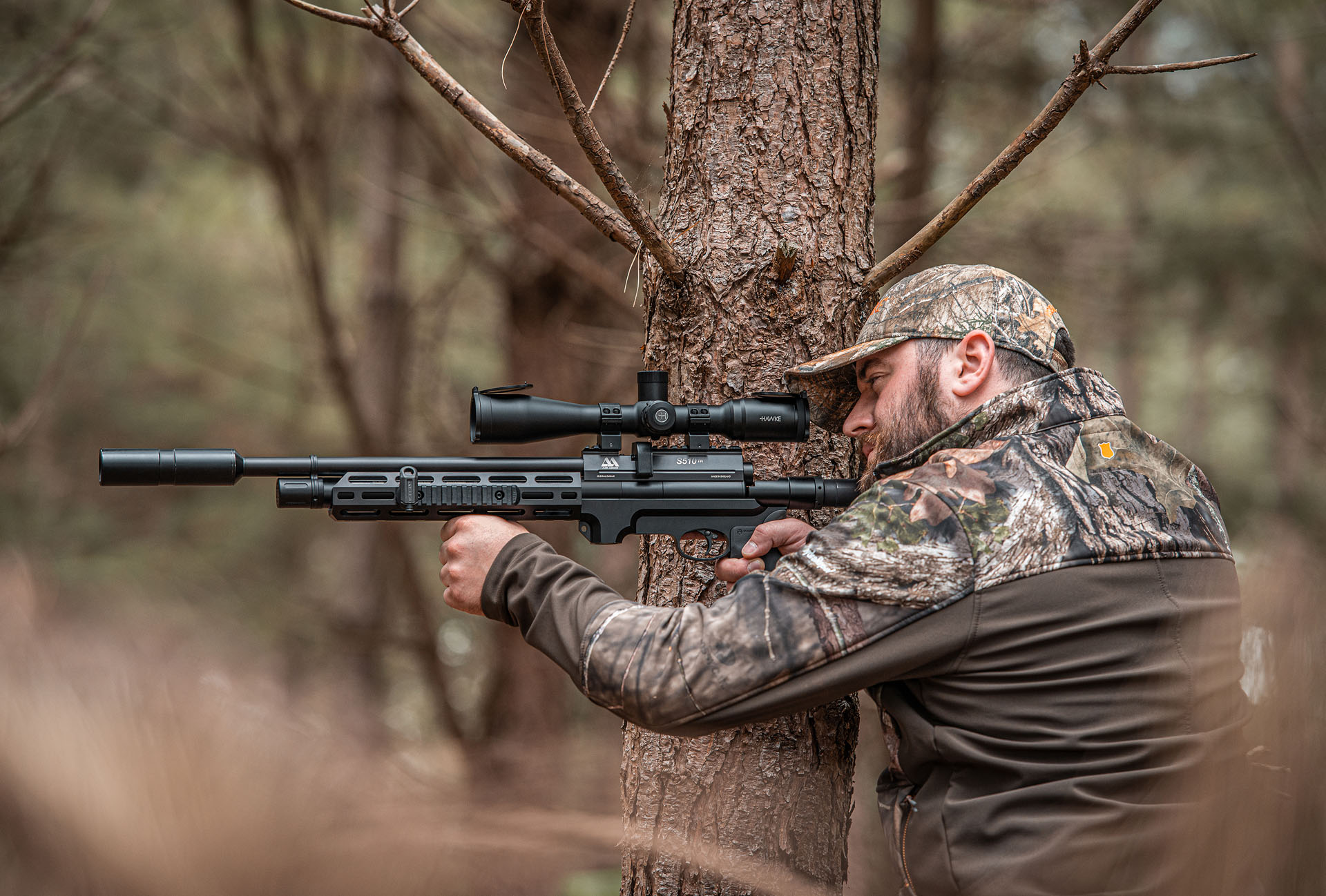
An air rifle is a powerful and precise tool that can provide years of enjoyment through target shooting, training, and responsible pest management. With several million air rifles in circulation across the UK, the sport remains popular with people of all experience levels.
However, an air rifle is still legally classified as an air weapon, and the relevant legislation places clear responsibilities on the owner. Whether you are transporting your rifle, shooting on private land, or storing it at home, the key principle is always the same: take reasonable precautions and follow the firearms law applicable in your region.
If you ever feel unsure about the rules, the safest approach is to check official government guidance or use the contact details provided by your local police firearms licensing department. By understanding the law and using an air rifle responsibly, shooters can continue to enjoy the sport safely and legally across the UK.