



How Wind Affects Target Shooting: Reading Wind with an Air Rifle
Introduction
Wind is one of the most overlooked challenges in air rifle shooting. For beginners, it can feel like an invisible force that suddenly throws a perfectly aimed shot off course. For more experienced air rifle shooters, it becomes something to read, anticipate, and work with rather than fight against. Either way, understanding how wind behaves and how it interacts with your pellet is one of the most important skills you can develop as a shooter.
Unlike larger calibre firearms, air rifles fire lightweight pellets at relatively modest velocities. This makes them significantly more susceptible to wind drift than many people initially expect. A gust that might barely affect a high-powered rifle can push an air rifle pellet several centimetres off target at distance — enough to completely miss a small target face or score poorly in competition. Learning to read the wind is not something that happens overnight, but it is a skill that improves steadily with experience, focus, and awareness.
Whether you are just picking up an air rifle for the first time or working toward competing at a higher level, getting to grips with wind is one of those challenges that every shooter eventually has to face — and one that, once understood, adds a whole new layer of depth and enjoyment to the sport.

Why Wind Affects Air Rifle Pellets More Than You Might Expect
To understand why wind matters so much in air rifle shooting, it helps to think about what a pellet actually is. Compared to most projectiles, an air rifle pellet is light, relatively slow, and has a shape that creates drag as it travels through the air. All of these factors mean it spends more time in flight than faster projectiles, which gives the wind longer to act on it.
Even a moderate crosswind — the kind you might barely notice on a still afternoon — can cause meaningful drift over distances of thirty metres or more. At fifty metres, the effect becomes even more pronounced, and in target shooting disciplines where precision is everything, that drift can be the difference between a clean strike and a miss. This is part of what makes wind one of the more interesting and honest tests of skill in the sport.
This is why experienced air rifle shooters do not simply aim and fire in windy conditions. They observe, assess, and adjust — sometimes holding off into the wind to compensate, sometimes waiting for a lull. It requires patience, concentration, and a steady approach that goes well beyond simply pulling the trigger.
Reading the Wind Before You Shoot
Reading wind is partly a physical skill and partly a habit of observation. Before taking a shot, experienced shooters are already collecting information from their environment. Grass moving at the side of a shooting lane, leaves shifting in nearby trees, or flags rippling at a range all provide useful clues about wind speed and direction.
Some shooters use a small piece of thread attached to their rifle or scope to give a real-time indication of the wind at their position. Others rely on mirage — the heat shimmer visible through a high-magnification scope — which can reveal both wind speed and direction when observed carefully through quality sights.
Wind does not always blow consistently from one direction, particularly on outdoor courses where tree cover, hedges, and terrain can create pockets of calmer air or unpredictable gusts. This is part of what makes wind reading genuinely challenging and why it rewards patience. Rushing a shot in changeable conditions is one of the most common mistakes an air rifle shooter can make, and learning to slow down, focus, and assess is one of the most valuable habits you can build.
Understanding Wind Direction and Its Impact on Accuracy
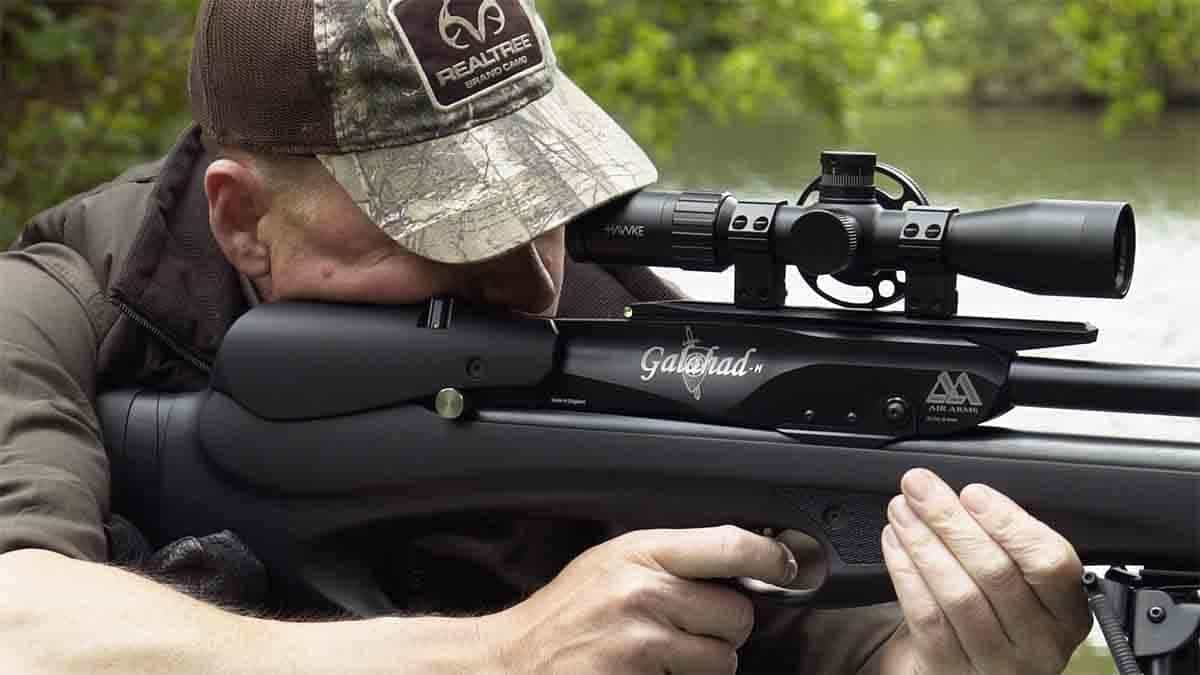
Not all wind directions affect your shot in the same way. A direct headwind or tailwind has a different effect compared to a crosswind, and understanding this distinction is fundamental to improving your accuracy in outdoor conditions.
A crosswind — blowing directly from the left or right — causes the most obvious lateral drift and requires the most active compensation when you aim. This might mean adjusting your point of aim, altering your position slightly, or simply waiting for the conditions to settle. A headwind blowing directly toward you will slow the pellet slightly and can affect its trajectory over longer distances, but the sideways drift effect is less severe. A tailwind pushes the pellet along and can marginally increase velocity, though again the directional impact on accuracy is less significant than a pure crosswind.
In practice, wind rarely blows from a perfectly clean angle. Most of the time you are dealing with angled crosswinds — coming from the front-left or rear-right, for example — which require a combination of judgement and experience to read correctly. This is one of the more nuanced challenges in air rifle shooting, and one that even experienced shooters continue to refine throughout their time in the sport.
Compensating for Wind Drift: Holding Off and Waiting
Once you have assessed the wind, the next step is deciding how to compensate. There are two main approaches used by air rifle shooters: holding off and waiting for a lull.
Holding off means deliberately adjusting where you aim — moving your point of aim slightly into the wind so that the drift brings the pellet back toward your intended point of impact. This requires a good understanding of how much your particular rifle and pellet combination drifts at a given distance and wind speed, something that only comes from time on the range and careful observation of where shots land in relation to your targets.
Waiting for a lull is sometimes the more reliable option, particularly in gusty or unpredictable conditions. Even during a windy day, there are usually brief periods of relative calm. Experienced shooters learn to recognise these windows and stay steady and focused until the right moment arrives. In competition shooting, this patience can make a significant difference to your overall score, and in some cases hitting a target cleanly in difficult conditions can feel just as thrilling as a technically perfect shot in still air.
Some shooters use both approaches depending on the situation — holding off slightly in a consistent wind, but waiting for calmer moments when conditions are more erratic.
The Role of Shooting Position and Stability
One aspect of wind shooting that is easy to underestimate is how much your own stability affects the outcome. In still conditions, a small amount of movement can be absorbed or corrected. In wind, that same movement is compounded by an already shifting point of impact, which makes a steady, well-supported shooting position even more important.
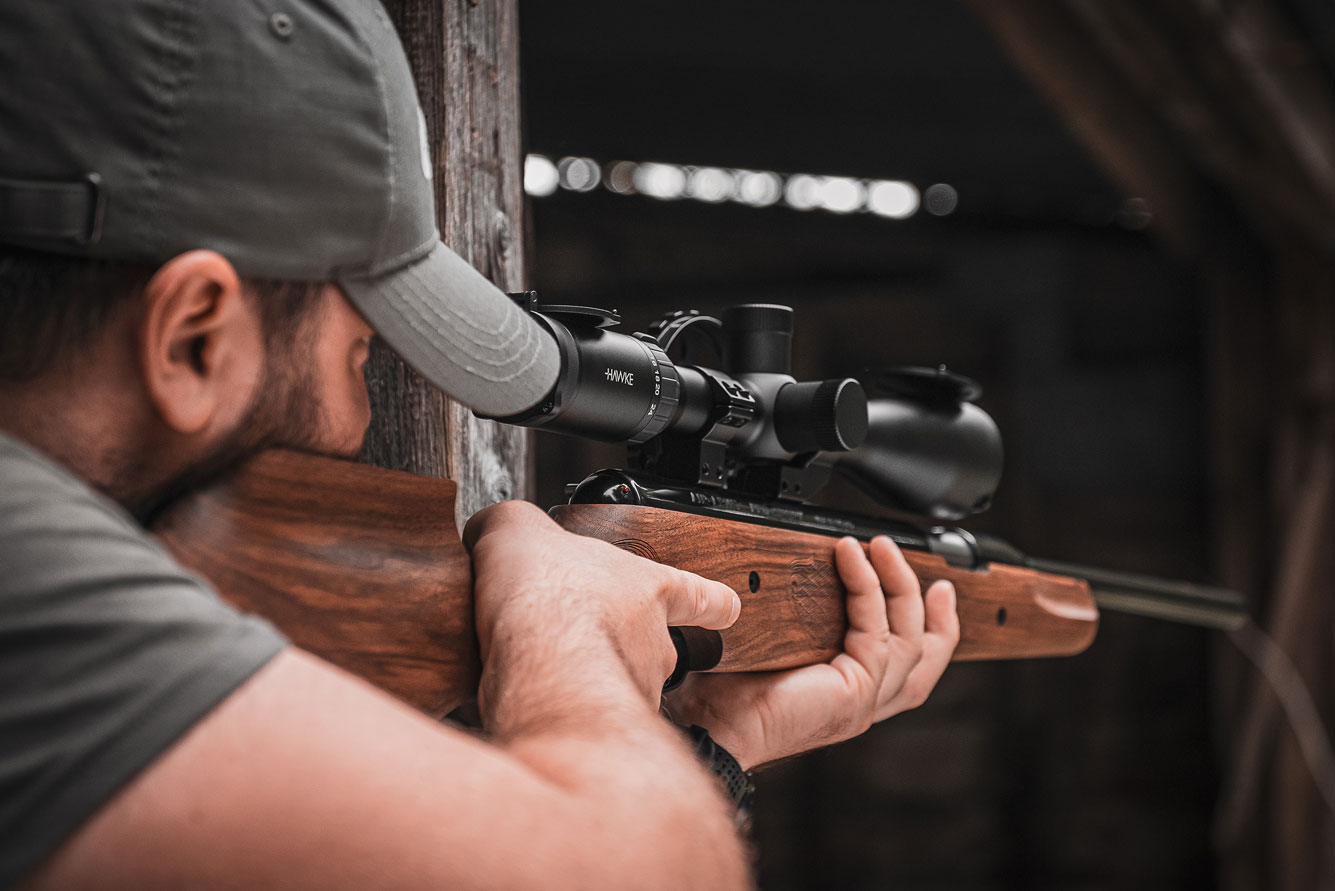
Whether you are shooting prone, seated, or standing, the goal is always to create the most stable platform possible. This means considering how you hold the rifle, how your body is positioned relative to the wind, and how much unnecessary tension you are carrying. Gripping the rifle too tightly, for example, can introduce movement at the moment of firing that makes hitting targets consistently far more difficult than it needs to be.
Experienced air rifle shooters often find that improving their position in windy conditions has just as much impact on their results as refining their wind reading skills. Both elements work together, and neglecting one in favour of the other will limit how far you can develop.
How Pellet Choice Affects Wind Performance
Ammunition choice plays a more significant role in windy conditions than many beginners initially realise. Heavier pellets are generally less affected by wind drift than lighter ones, as their greater mass gives them more resistance to being pushed off course. However, heavier pellets also travel at lower velocities, which means the trade-off is not always straightforward.
Many air rifle shooters experiment with different pellet weights and head sizes to find what performs best from their particular rifle at various distances. Some find that a slightly heavier pellet gives them greater consistency outdoors, while others prioritise velocity and work on their wind reading skills to compensate. There is no universal answer, and part of the process is learning what your specific rifle responds to best.
Spending time on the range testing pellet performance in varying conditions is one of the most productive things a shooter can do to improve their accuracy in wind. It also builds a practical understanding of how your rifle behaves that is far more useful than relying on general advice alone.
Safety Considerations in Windy Conditions
Wind does not only affect where your pellet lands — it also has implications for safety. An unexpected gust at the moment of firing can cause a pellet to deviate significantly from its intended line of travel, which is why understanding your environment before you shoot is so important.
Before firing in outdoor conditions, always be confident that your shooting area is clear and that your backstop is sufficient to handle any deviation in your shot. This is especially important on informal land or sites where the boundaries of a safe shooting zone are less clearly defined than they would be at an established range. Many clubs and ranges have guidelines in place specifically around shooting in adverse weather, and following that advice is always the responsible approach.
Safety in air rifle shooting is not just about handling the rifle correctly — it extends to reading your environment, understanding the conditions, and making sensible decisions about when and where it is appropriate to shoot.
Wind and Competition Shooting
In disciplines like HFT and Field Target, wind is part of the challenge that separates good scores from the highest scores. Courses are often set in open fields or woodland, where conditions can change from one lane to the next. A shot that requires a clean hold at one end of the course might need significant compensation just fifty metres further along.
This is why experienced air rifle shooters spend time before a competition walk-through simply observing conditions. Noting which lanes are sheltered, where the wind channels through gaps in hedgerows, and how gusts behave throughout the day all feed into better decision-making during the shoot itself. Many clubs across the UK run regular events at local level, giving shooters the chance to build exactly this kind of experience in a structured, supportive environment before they look to compete further afield.
Even at national competitions, including events that feed into Great Britain selection pathways, wind management remains a fundamental skill. The shooters who achieve the highest scores consistently are rarely those with the most natural ability — they are the ones who have learned to stay focused, remain steady under pressure, and make better decisions than those around them when conditions become difficult.
Developing Your Wind Reading Skills Over Time
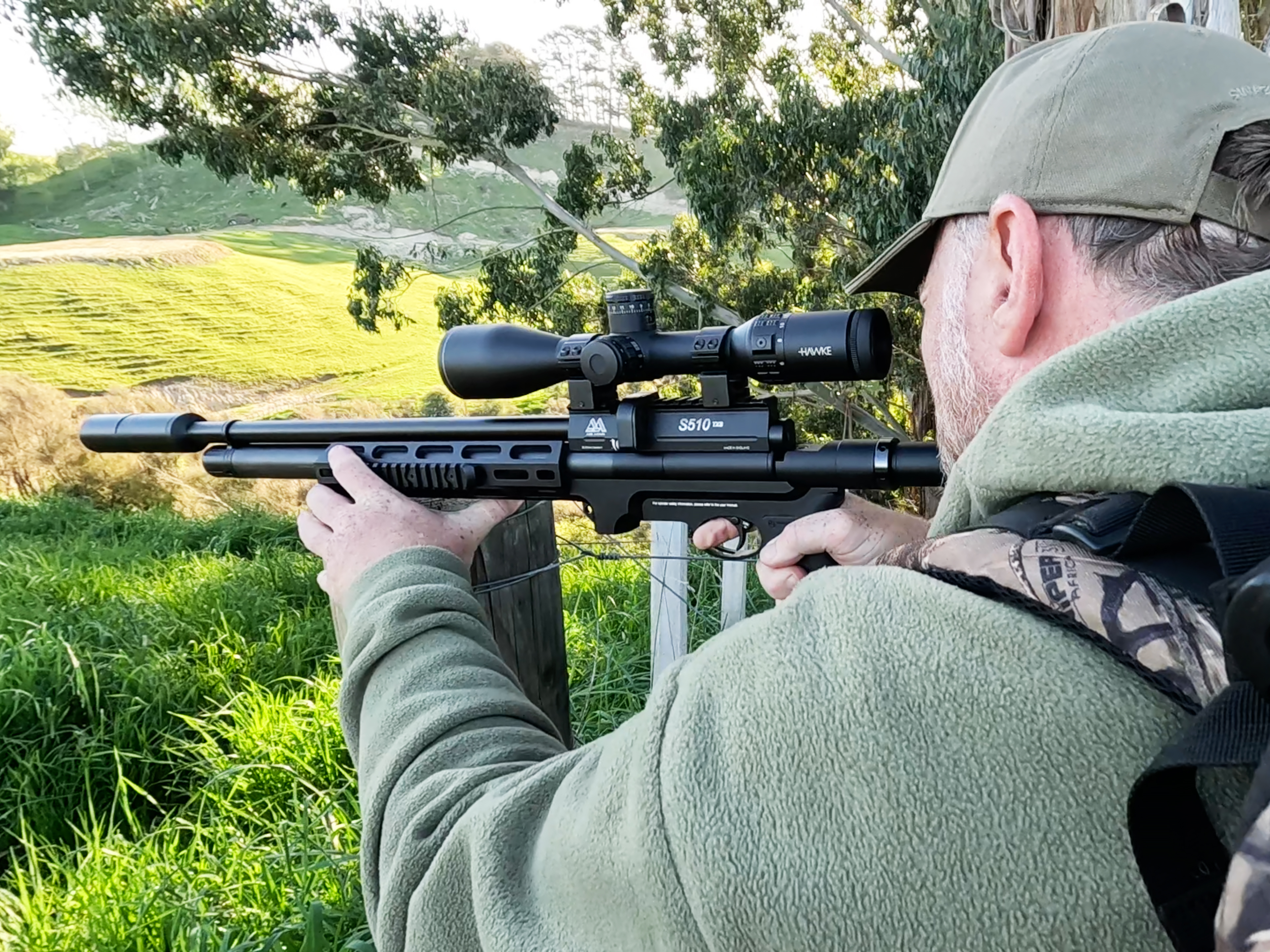
Like most aspects of air rifle shooting, reading wind well takes consistent practice. Spending time on the range in varying conditions, noting how your pellets drift and by how much, and comparing that against what you observed beforehand all help build a reliable mental picture over time.
Many clubs have experienced instructors who can offer practical guidance on reading conditions, and learning from someone who has spent years shooting outdoors can accelerate your development significantly. It is also worth attending as many shooting sessions as possible in different weather, as each one adds to your overall understanding of how wind behaves across different environments and ranges.
Keeping a simple log of your sessions — noting wind conditions, distances, and where shots landed — can be a great introduction to the kind of analytical thinking that separates developing shooters from experienced ones. Over time, many air rifle shooters find they begin to enjoy the challenge that wind presents rather than resent it. There is a genuine thrill in reading a difficult condition correctly, holding steady, and seeing your pellet hit exactly where you intended. Wind will always be a factor in outdoor air rifle shooting, but with time, focus, and plenty of practice it becomes less of an obstacle and more of a variable you learn to manage with confidence.
FAQ
How much does wind affect an air rifle pellet? Even a moderate crosswind can cause several centimetres of drift at distances of thirty metres or more, depending on pellet weight, velocity, and wind speed. The lighter the pellet, the more pronounced the effect.
What is the best way to read wind when shooting an air rifle? Observe natural indicators like grass, leaves, and flags, and if shooting at a range, pay attention to mirage through your scope. Some shooters also attach a small thread to their rifle to monitor wind at their position in real time.
Should I adjust where I aim to compensate for wind? Holding off — adjusting your aim point into the wind — is a common and effective technique, but it requires knowing how your rifle and pellet combination behaves at different distances. Waiting for a lull can sometimes be the more reliable approach in unpredictable conditions.
Does pellet weight make a difference in windy conditions? Yes. Heavier pellets are generally less affected by wind drift, though they travel at lower velocities. Many shooters test different ammunition to find the best balance for their rifle and shooting conditions.
Is it safe to shoot an air rifle in strong wind? It depends on the environment. Strong wind can cause pellets to deviate significantly, so always ensure your shooting area is safe and your backstop is adequate before firing in adverse conditions.
Does wind affect HFT and Field Target competitions? Significantly. Wind reading is considered one of the core skills in both disciplines, and conditions can change from lane to lane on an outdoor course. Learning to manage wind under pressure is what separates consistent performers from the rest.
How do I get better at reading wind? Regular sessions on the range in varied conditions, combined with guidance from experienced instructors at your local club, is the most effective way to develop this skill over time. Keeping notes on each session helps accelerate the learning process considerably.