


Understanding whether you can shoot pigeons with an air rifle is a common question for airgun users interested in pest control. UK laws strictly regulate shooting birds, including with air rifles, under the Wildlife and Countryside Act 1981 (as amended).
This blog will cover key legal requirements, suitable air rifles, and best practices. Note that in this blog, "pigeons" here primarily refers to feral pigeons (Columba livia, often urban pests) and woodpigeons (Columba palumbus, common agricultural pests). Other pigeon species (e.g., racing or homing pigeons) may be protected differently - always identify your target accurately.
Can You Shoot Pigeons with an Air Rifle UK?
In short, yes, but only under strict conditions outlined in government-issued general licences. You cannot shoot pigeons recreationally, for sport, or "just because they're in your garden." All wild birds are protected, but feral pigeons and woodpigeons can be controlled for specific permitted purposes.
Under UK law, pigeons are protected wild birds. This means you must follow the General Licence rules, which explain when you can shoot certain birds for pest control. Air rifles are suitable for this task when used correctly and legally.
Key requirements:
- You must act under a relevant general licence (no individual application needed, but full compliance required).
- You need written permission from the landowner (or be the landowner/occupier).
- Shooting must only occur on private land with a safe backdrop—pellets must not leave the permission area.
- Actions must be justifiable (e.g., preventing serious damage or health risks).
- Sub-12 ft-lb air rifles (no FAC required) are legal and commonly used for this.
General licences are issued separately for England (Natural England/Defra: GL40, GL41, GL42), Scotland (NatureScot: GL01-03/2025), Wales (NRW: GL001-002 etc.), and Northern Ireland (DAERA). They are valid throughout 2025 (some until 31 Dec 2025). Always download and read the latest versions from official sites.
The Law Around Shooting Pigeons with Air Rifles
The law strictly regulates how you use an air gun, airgun, or rifle to shoot any small game hunting species or pest. If you are new to the sport, a complete beginner's guide to air rifles in the UK can help you understand types, power levels and buying considerations before you start shooting. You must never use your rifle for self-defence or self-defence purposes, and you must only shoot pigeons in line with General Licences.
Air rifles are classified as firearms in the UK, but sub-12 ft-lb models have fewer restrictions (age 18+ to buy, no certificate needed). The wildlife and countryside act underpins the protection of wild birds, so you must never use any gun (including air rifles) for self-defence.
Check out more about air rifle licenses here.
Permitted purposes for pigeon control (varies by species and nation):
- Preventing serious damage to crops, livestock, food, vegetables, fruit, or fisheries (e.g., wood pigeons eating crops; both species fouling feed).
- Preserving public health/safety or preventing disease spread (e.g., feral pigeon droppings causing fouling/slips or health risks in urban areas).
Important distinctions:
- Feral pigeons: Covered under licences for both serious damage and public health/safety.
- Woodpigeons: Primarily for preventing serious damage (e.g., agricultural crops). Not usually for public health in gardens.
Different pigeon species are treated differently under licences, including Wood Pigeons, feral pigeons, homing pigeons, and collared doves. Homing pigeons are private property and must not be treated like feral birds.
Main conditions (common across licences):
- Reasonable non-lethal methods: Make all reasonable efforts to use or try non-lethal deterrents (e.g., netting, spikes, scaring devices, proofing) where effective and practical before lethal control. Continue alongside if possible. Non-lethal options are not always mandatory if clearly ineffective.
- Valid, specific reason: There must be actual or imminent serious damage/health risk, not a minor nuisance.
- Humane and safe methods: Use accurate, skilled shooting for quick kills. Ensure no risk to non-target species, people, or property.
Failure to comply may result in prosecution, firearm seizure, or a ban. Keep records (e.g., photos of damage, non-lethal attempts) to justify actions if challenged.
Check official sources:
- England: gov.uk (search GL41/GL42)
- Scotland: nature.scot
- Wales: naturalresources.wales
- NI: daera-ni.gov.uk
- Guidance: basc.org.uk/general-licences
DEFRA and the other rural affairs bodies publish updates on their official website.
Why Air Rifles Are Commonly Used for Pigeon Pest Control
Air rifles provide quiet, precise, low-recoil shots ideal for built-up or farm areas. Sub-12 ft-lb models deliver enough energy for humane kills on pigeons at 20-40 metres (depending on skill/pellet). They are popular for pigeon control because they offer controlled power, accuracy and a quiet shot, especially where pigeons are treated as pest birds. Many PCP air rifles and high-end models deliver the precision required for humane shooting at safe distances.
Lower-powered rifles are primarily designed for target practice and recreational shooting. High-powered rifles and advanced models are better suited for small-game hunting and pest control. Choosing the perfect air rifle for pigeon control depends on distance, power and your level of experience, as well as whether you can shoot safely, accurately and humanely.
Many shooters prefer pre-charged pneumatic rifles because they are virtually recoilless and easy to operate. A pcp air rifle uses highly pressurised air stored in air cylinders, usually filled externally with hand pumps, a scuba tank or a gas-filled cylinder. If you want a deeper technical breakdown of how a PCP air rifle works, it helps to understand the internal valves, regulators and firing cycle that deliver such consistent shots. When the trigger is depressed, the gun pressurises and releases air that propels the pellet.
Spring-powered rifles work differently. Inside the rifle is a coiled spring. When you cock the rifle, that coiled spring inside compresses. When the trigger decompresses, the spring decompresses and fires the pellet forward. This design is reliable and simple, though it has more recoil than a pcp rifle, and many shooters weigh up PCP vs spring air rifles when choosing the right pest-control setup.
Both systems are considered suitable for pigeon pest control as long as you can shoot accurately and humanely.
Types of Air Rifles Used for Shooting Pigeons
Choosing the right rifle** matters. Below are the main types of air rifles used for pest control:**
PCP Air Rifles
Pre-charged pneumatic rifles are popular because they are smooth, accurate and easy to use. The shot cycle is virtually recoilless, which makes them ideal for beginners and for those who want high-performance shooting. If you are still unsure what sets them apart, you can read more on what a PCP air rifle is and why it’s so effective for pest control. Many shooters choose PCP air rifles from companies like Air Arms for their quality, consistency, and extensive range of models.
- PCP (Pre-Charged Pneumatic): Most popular for pest control - accurate, recoilless, multi-shot. Filled with compressed air (pump, diver tank, or compressor).
Spring Powered Air Rifles
Spring-powered rifles are simple, reliable and affordable. When the spring decompresses, it releases enough energy for humane pigeon pest control at medium range. Many entry-level air rifles use this system and offer a great starting point for new shooters.
- Spring-Powered: Affordable, reliable single-shot. More recoil/hold-sensitive but effective at closer ranges.
Gas Ram Air Rifles
These rifles use a gas-filled cylinder instead of a spring. They offer smoother cocking and consistent power. They are suitable for short-range pest control and recreational and sporting activities.
- Gas-Ram: Similar to spring but smoother cocking, less vibration.
Each system has pros and cons, but all air rifles used for pest control must be handled with care and accuracy.
Is Shooting Pigeons with an Air Rifle Humane?
Humaneness comes down to skill, equipment and distance. A well-placed shot with a reliable rifle, the correct pellets, and steady aim ensures an instant, humane result. Ill-judged shots cause suffering and must be avoided.
So, yes, when done correctly, shooting pigeons with an air rifle can be humane. Aim for the head/brain or vital chest area with appropriate power/pellets for instant dispatch. Practice regularly on targets. Poor shots cause suffering—stay within your proven range (BASC recommends max 30m for sub-12 ft-lb). You must also identify the bird clearly before taking a shot, so you do not hit a protected species, confuse it with doves, or shoot the wrong breed/type of pigeon.
Where You Can and Cannot Shoot
You can only shoot on land you own or where you have permission. Shooting on other people's land or near public property is illegal.
- Only on land where you have explicit permission.
- Ensure a safe backdrop (e.g., earth bank) and no risk of ricochets or pellets leaving the area; in strong wind, pellets can travel up to 320 metres.
- Prohibited: Public land, near roads/footpaths/buildings/houses, across boundaries, or where it endangers people/property.
There must be no possibility of pellets crossing boundaries or striking people, animals, vehicles, or property.
You cannot shoot pigeons in public spaces. You cannot shoot across roads, footpaths or near buildings. You must always prioritise safety
What You Need to Know About Pellets and Ammunition
Pellets matter. Lightweight pellets may lose power quickly, while heavier pellets carry more energy. For pigeons, you need pellets that provide clean, humane results.
Use quality domed or pointed pellets (e.g., .177 or .22 calibre) in heavier weights for better energy retention. Brands such as JSB, H&N, and Air Arms perform well. Avoid lightweight/cheap pellets that may wound rather than kill cleanly. Pellet choice also matters when shooting birds on the ground, as you need a safe backstop and must avoid ricochet risks.
Understanding How PCP Air Rifles Work
To choose the right equipment, it helps to understand how pcp air rifles function. A pcp air rifle uses pre-charged pneumatic pressure that is stored inside the rifle's air cylinders. These cylinders are filled externally using hand pumps, scuba tanks, or gas cylinders. PCP air systems often feel similar to pumping up a car tyre because of how the pressure builds.
Once the rifle is filled, the gun pressurises and releases an accurate and consistent shot. PCP air rifles are popular because they offer a quiet shot cycle, steady accuracy and a wide selection of models suited to hunting and target shooting, but you should also learn how to store and leave a PCP air rifle charged safely so you don’t damage seals or compromise performance.
Spring Powered Rifles Explained
A spring-powered rifle uses a coiled spring inside the chamber. When the rifle is cocked, the spring compresses, and when the trigger is pulled, the spring decompresses and fires the pellet. This simple design has been popular for decades. Spring rifles offer good power and reliability, though they require strong technique to stay accurate due to recoil.
Many shooters like spring-powered rifles for recreational shooting or target practice. They are also capable of humane pigeon control when used within their effective range.
Choosing the Right Rifle for Pigeon Control
When choosing rifles for pigeon pest control, consider:
- Power output
- Accuracy
- Range
- Type of action
- Budget
- Weight and balance
- Your shooting experience
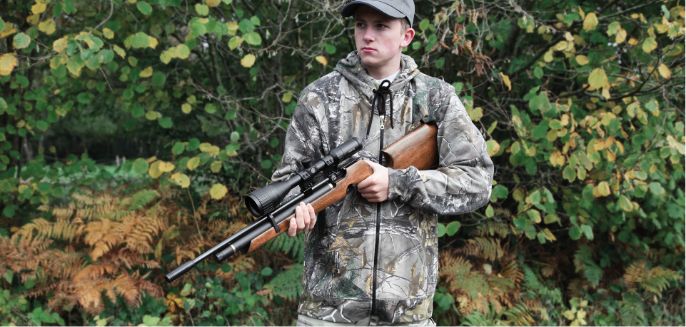
PCP rifles often provide better precision, and your budget affects how much you want to spend on a rifle for pigeon control; many high-end models from Air Arms are considered suitable for both pest control and sporting activities. Spring-powered rifles offer a more traditional feel. Look for a rifle that is comfortable to shoulder and easy to control.
Consider power (sub-12 ft-lb legal limit), accuracy, weight, your experience, and your rifle or airgun setup. Scoped rifles improve precision.
Accessories That Help With Accuracy
Shooters often use additional accessories to improve accuracy and results. Useful shooting accessories include:
- Scopes for better visibility
- Bipods/rests for stability
- Slings for carrying the rifle
- Spare air cylinders or pumps for pcp air rifles
- Pellet pouches
- Cleaning kits
- Moderators for quieter shots
These accessories support safe shooting and keep equipment reliable.
For more information, check out our article on: Which is the best air rifle for you?
Safety Rules for Shooting Pigeons with Air Rifles
- Treat every rifle as loaded.
- Know your target and beyond.
- Store securely (locked cabinet recommended).
- Never point at anything you don't intend to shoot.
- Follow the BASC air rifle code of practice.
Getting Started as a New Shooter
If you are new to rifles, airguns, or an airgun, it helps to visit a local gun shop for expert advice. Many shops provide safe introduction sessions and show you how different rifles work. You can also try different rifles at a club before you purchase one. It also helps you learn safe shooting angles, target species, and the presence of hazards before taking a shot. This helps you find a rifle that fits your needs and budget. Join a club, visit a gun shop for advice, or take a course, and always practice target shooting first.
Maintenance and Servicing
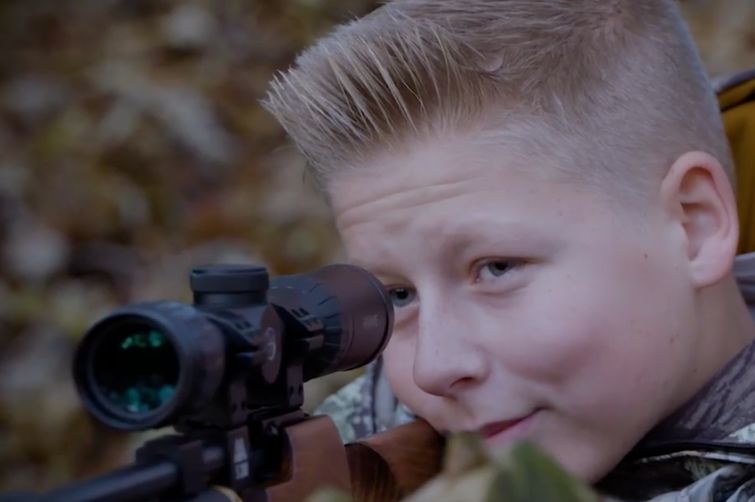
All firearms require regular cleaning and maintenance. Rifles last longer when kept dry, clean and protected. PCP air rifles should be serviced as recommended by the manufacturer. Spring rifles should be checked for wear on the spring and seals.
Air Arms and similar companies offer servicing options to keep rifles in good working order. Proper lubrication, cleaning the barrels, and proper storage keep your rifle safe and reliable, and if your setup requires it you should understand how to apply for an air rifle licence in the UK so that ownership and use remain fully legal.
Should You Use Air Pistols?
No, generally underpowered and inaccurate for humane pigeon control at typical ranges. Use rifles only.
Air pistols are useful for plinking and recreational shooting, but they do not offer enough consistent power for humane pigeon pest control. They are better suited for target shooting and short-range practice. For pest control, always use a rifle.
Ethical Considerations Before Shooting Pigeons
Always ask:
Is lethal control truly necessary? An individual licence may be required if the relevant general licence does not cover the species, place, or purpose.
Have I exhausted reasonable non-lethal options? Pause for a moment and check the licence terms before acting.
Can I guarantee a humane, safe shot?
Am I fully compliant with the relevant general licence?
Responsible pest control prioritises prevention and welfare.
Final Thoughts
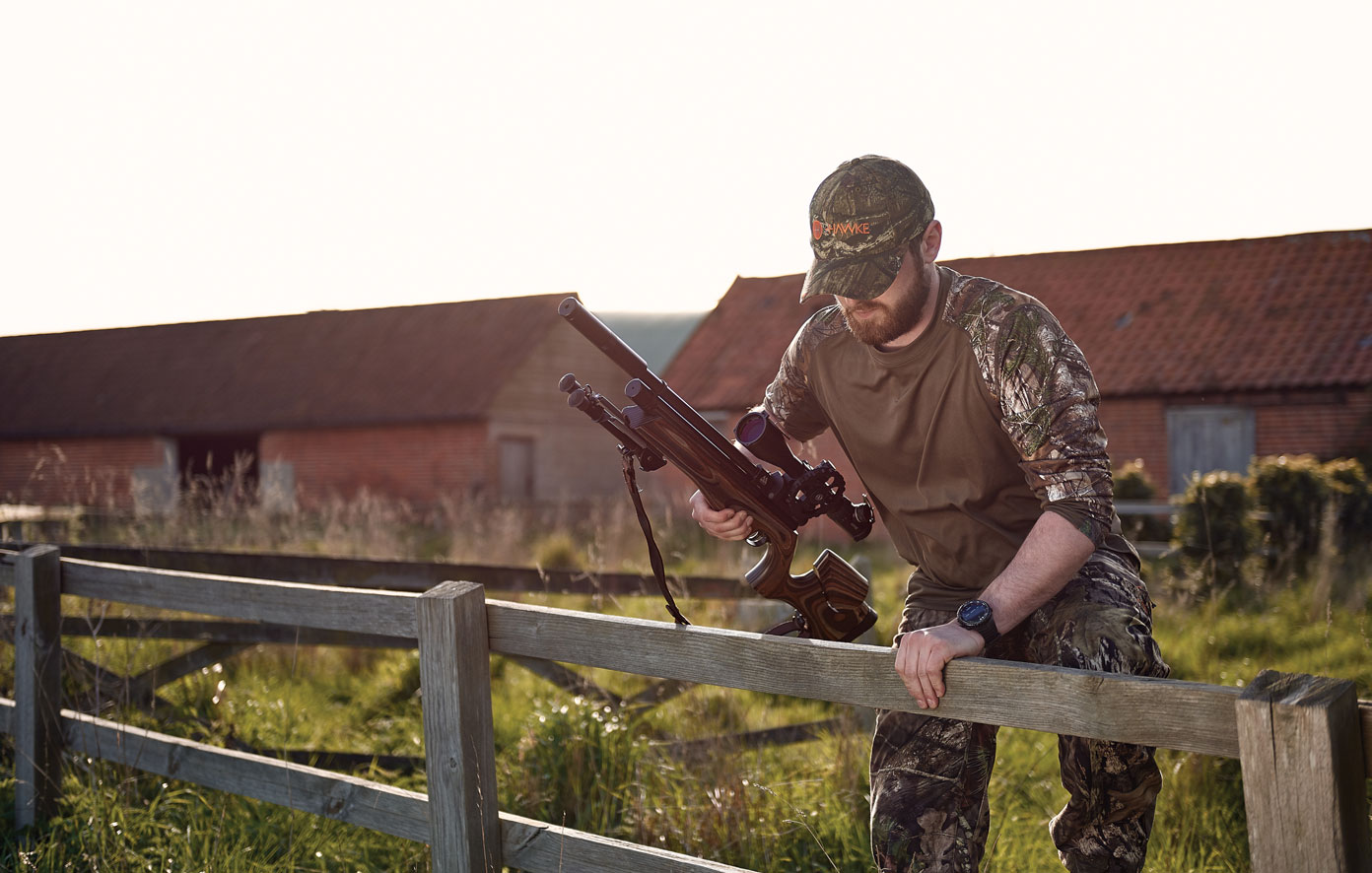
Shooting pigeons with an air rifle is legal in the UK for legitimate pest control under general licences, provided you follow all rules on permission, safety, humaneness, and justification. Collared doves and other protected birds are not treated the same as feral pigeons or Wood Pigeons under pest-control rules. Air rifles offer an effective tool when used skilfully.
Always verify the latest licences on official government websites, and check the relevant agency website for current wording and updates, as they can change. For expert advice, contact BASC or a professional pest controller. Shooting in a back garden is not automatically lawful just because the birds are on your property. If you break the rules, you could face prosecution and a fine. Feral pigeons are not generally recommended to eat because of disease and contamination risks. Safe and responsible shooting protects both wildlife and the future of the sport.
If you want quality equipment, expert advice and a diverse selection of rifles, many shooters choose Air Arms for their reliability and precision; you can explore their full range of air rifle products to find a setup that suits your needs and budget. With the right knowledge and the right gear, you can approach pigeon control safely, legally and responsibly. If your preferred rifle requires certification, make sure you also understand how to get an air rifle licence in the UK before you buy. If you want to learn more about what else you can shoot with an air rifle, check out the following article: What can you shoot with an air rifle?

Ready to take your next step?
If you are ready to take the next step, explore our range of air rifles, pellets, moderators and shooting accessories built for accuracy and reliability in the field.